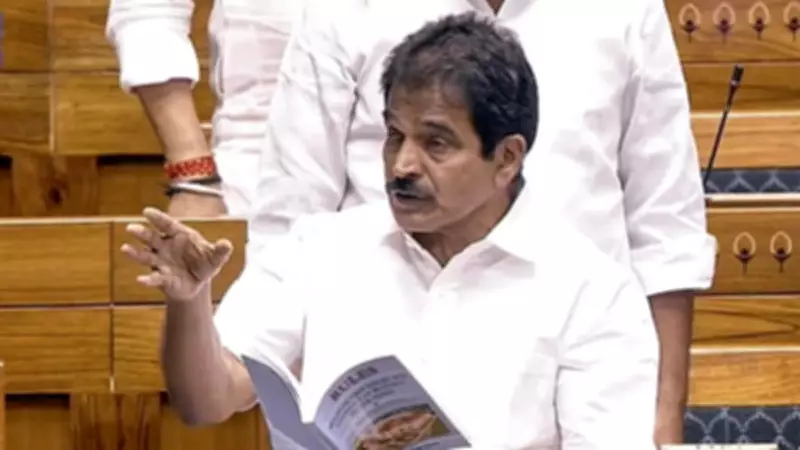
Opposition Launches Scathing Attack on Om Birla and Modi Government
In a heated parliamentary session, opposition leaders have strongly criticized Speaker Om Birla, accusing the Modi government of having its "hands tied" and compromising India's economic integrity. The debate centered on a resolution seeking the removal of Om Birla, with sharp allegations of surrender to foreign powers.
Venugopal's Allegations of Economic Surrender
K C Venugopal, a prominent opposition figure, launched a direct attack on the Modi administration, claiming it had "completely surrendered" before the United States. He asserted that this move has led to a severe compromise of the country's economic integrity and a full surrender of its economic sovereignty. Venugopal emphasized that such actions undermine national interests and autonomy in global affairs.
The opposition's critique highlights growing concerns over India's foreign policy and economic decisions under the current government. They argue that these policies have weakened the nation's stance on the international stage, particularly in dealings with major powers like the US.
Debate on Speaker's Role and Government Influence
During the debate, opposition members questioned Om Birla's impartiality, suggesting that the Speaker's position has been influenced by the Modi government's directives. They alleged that this has hindered fair parliamentary proceedings and democratic accountability. The resolution for removal was presented as a response to these perceived failures in upholding parliamentary norms and national sovereignty.
Key points raised in the debate include:
- Accusations of the Modi government compromising economic policies for foreign approval.
- Claims that Om Birla has failed to maintain neutrality in parliamentary matters.
- Concerns over the erosion of India's economic and political sovereignty.
This incident underscores the deepening political rift in India, with the opposition using parliamentary platforms to challenge government actions and leadership roles. The debate reflects ongoing tensions over governance, foreign relations, and economic strategy in the country.