Opposition's No-rust Motion Against Speaker Om Birla Defeated in Lok Sabha
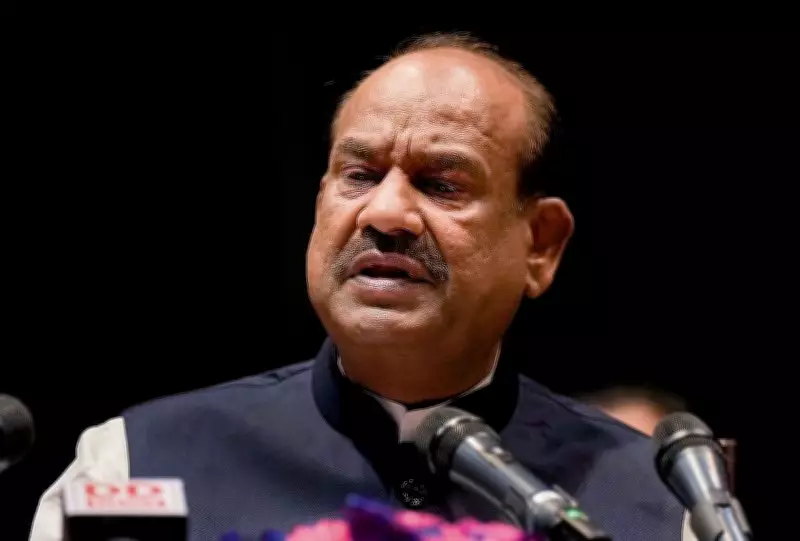
In a significant parliamentary development, the Lok Sabha has decisively defeated a no-confidence motion brought forward by the opposition against Speaker Om Birla. The motion was rejected through a voice vote, underscoring the ruling coalition's majority and solidifying Birla's position in the House.
Details of the Motion and Vote
The opposition parties, led by various factions, moved the no-trust motion citing alleged procedural irregularities and bias in the conduct of parliamentary affairs. However, during the session, the motion was put to a voice vote, where members express their support or opposition verbally rather than through a formal ballot. The presiding officer declared the motion defeated after assessing the vocal responses, with the "ayes" for the motion being overwhelmingly outnumbered by the "noes."
This outcome highlights the current political dynamics in the Lok Sabha, where the ruling National Democratic Alliance (NDA) holds a substantial majority. The defeat of the motion is seen as a reaffirmation of confidence in Speaker Birla, who has been at the helm since 2019. Political analysts note that such motions are rare and often symbolic, but this instance has drawn attention due to the heightened tensions between the government and opposition benches.

Reactions and Implications
Following the vote, opposition leaders expressed disappointment, arguing that the voice vote process lacked transparency and called for a more detailed division of votes. They contended that the motion was a necessary step to address concerns over parliamentary decorum and fairness. In contrast, ruling party members hailed the result as a victory for democratic norms and stability, emphasizing that it reflects the will of the majority.
Speaker Om Birla, in his response, reiterated his commitment to impartiality and upholding the dignity of the House. He stated that he would continue to facilitate constructive debates and ensure that all voices are heard, regardless of political affiliations. The incident is expected to have ripple effects on future parliamentary sessions, potentially influencing how motions are handled and the level of cooperation between opposing sides.
This event adds to the ongoing political discourse in India, with implications for governance and legislative efficiency. As the Lok Sabha moves forward, observers will be watching closely to see how this defeat shapes opposition strategies and the overall functioning of Parliament.