Opposition Intensifies Pressure for Parliamentary Debate on West Asia Crisis
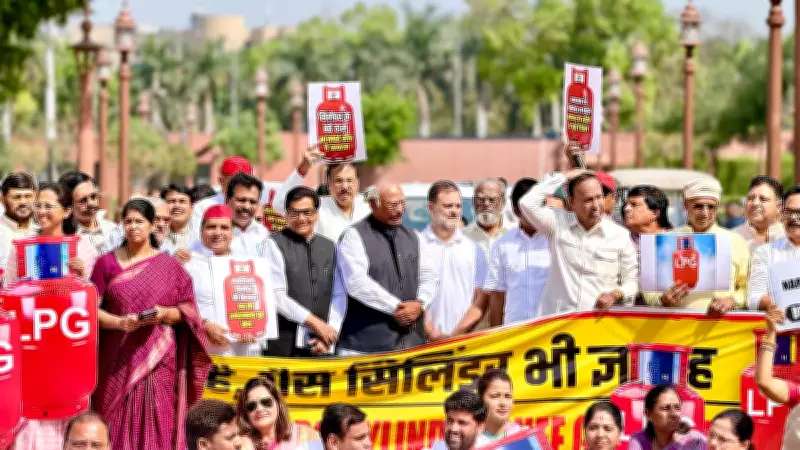
The political landscape in India is heating up as the Opposition has launched a forceful demand for a comprehensive discussion in both Houses of Parliament regarding the escalating situation in West Asia and its profound impacts on the nation. Senior Congress leader Jairam Ramesh has publicly criticized the Modi government for its steadfast refusal to allow such a debate, alleging that this stance stems from a deep-seated fear within the administration.
Accusations of Government Incompetence and Fear
In a series of pointed statements, Jairam Ramesh asserted that the government's foreign policy has been brutally exposed by its handling of the West Asia crisis. He accused the Modi administration of being clearly afraid to engage in a parliamentary discussion, which he claims would highlight its failures. Ramesh further condemned what he described as fake source-based assurances from the government, labeling them as evidence of utter incompetence in managing international relations and domestic repercussions.
Congress President Kharge Highlights Energy Security Concerns
Adding to the chorus of criticism, Congress President Mallikarjun Kharge emphasized the government's alleged prescience about the impending war in West Asia. He claimed that despite this foresight, the Union Government failed to take proactive measures to secure India's energy supply, leaving the nation vulnerable as the crisis deepens. Kharge warned that the common people are now facing significant hardships due to this negligence, with potential impacts extending to sectors like agriculture, as hinted by references to farmers.

The Opposition's demands underscore growing concerns over how the West Asia conflict is affecting India's economic stability and energy security. They argue that a parliamentary debate is essential to hold the government accountable and devise strategies to mitigate the crisis's effects on Indian citizens.