Opposition's Delimitation Blockade: A Threat to Equal Voting Power in India
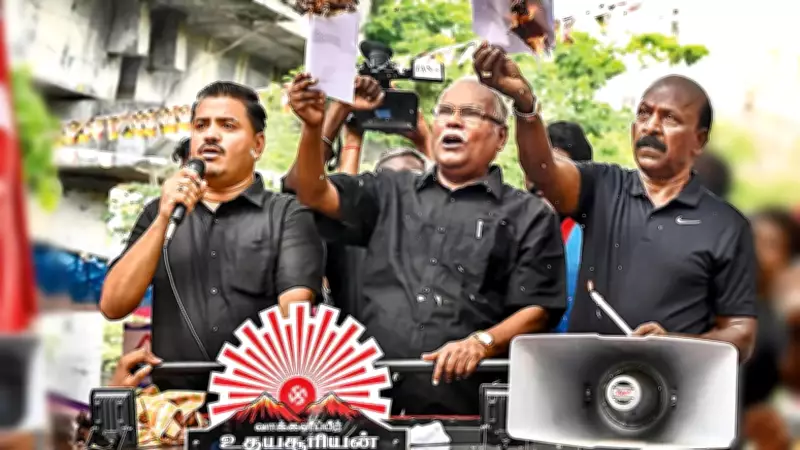
In a democratic nation, the principle of equal voting power for every citizen is sacrosanct. However, this foundational ideal has long been compromised in India, where disparities in constituency sizes have persisted. A critical development on Friday saw opposition parties unite to block a Bharatiya Janata Party (BJP) proposal aimed at addressing this imbalance through a new delimitation of Lok Sabha constituencies, coupled with a 50% expansion of seats in each state.
The Core of the Controversy
The BJP's initiative sought to recalibrate parliamentary representation to better reflect population changes and ensure fairer electoral weight across states. By proposing to increase the number of Lok Sabha seats by half in every state, the party argued it would move India closer to the democratic ideal of one person, one vote. This move was framed as a necessary step to correct historical inequities that have left some citizens with disproportionately less voting influence than others.
Opposition parties, however, rallied against the proposal, citing various objections. Their resistance has sparked a heated debate, with critics labeling their stance as weak and self-serving. Analysts suggest that the opposition's reluctance may stem from fears of electoral realignments that could disadvantage them in future polls, rather than from a principled commitment to democratic fairness.

Analyzing the Arguments
While the BJP undoubtedly has its own political agenda in pushing for delimitation, the party's position is bolstered by stronger logical underpinnings. The current system, where constituency sizes vary widely, undermines the constitutional promise of equal representation. For instance, voters in larger constituencies often have less individual impact compared to those in smaller ones, creating an inherent inequality.
The opposition's objections, though varied, have been met with skepticism. Key points of contention include:
- Potential disruption to existing political dynamics, which could alter power balances.
- Concerns over the timing and methodology of the delimitation process.
- Allegations that the BJP's proposal is politically motivated to consolidate its influence.
Despite these concerns, proponents of delimitation argue that the status quo is untenable. They emphasize that democratic integrity requires periodic adjustments to ensure voting power remains equitable as populations shift and grow.
The Broader Implications
This standoff highlights a deeper tension in Indian politics between short-term partisan interests and long-term democratic health. By blocking the delimitation proposal, opposition parties risk perpetuating a system where millions of Indians continue to have unequal say in their governance. This could erode public trust in democratic institutions over time.
Moreover, the debate underscores the need for a bipartisan approach to electoral reforms. While the BJP's logic may be more compelling, any successful delimitation effort will require broad consensus to avoid further polarization. Experts warn that without such cooperation, India's democratic fabric could fray, with lasting consequences for governance and citizen engagement.
In conclusion, the opposition's decision to thwart the delimitation proposal represents a significant setback for the pursuit of equal voting power in India. As the political landscape evolves, the urgency of addressing these disparities only grows, making this a pivotal moment for the nation's democratic future.