LPG Crisis Forces Odisha Communities Back to Traditional Firewood Cooking
With LPG cylinder supplies severely disrupted due to surging tensions in West Asia, hundreds of hotels, restaurants, hostels, roadside dhabas, and individual households across Kendrapada and Jajpur districts in Odisha have shifted to traditional firewood for cooking. The supply chain disruption has created a critical situation for both commercial establishments and residential consumers who rely on cooking gas for daily needs.
Widespread Impact on Daily Life and Commerce
"Cooking gas is not available in many houses, hotels and dhabas since last two weeks for which people are using firewood," said Akhil Sahoo, a dhaba owner from Kendrapada. The shortage has affected diverse segments of society, from urban eateries to rural households, forcing a return to traditional cooking methods that many had abandoned years ago.
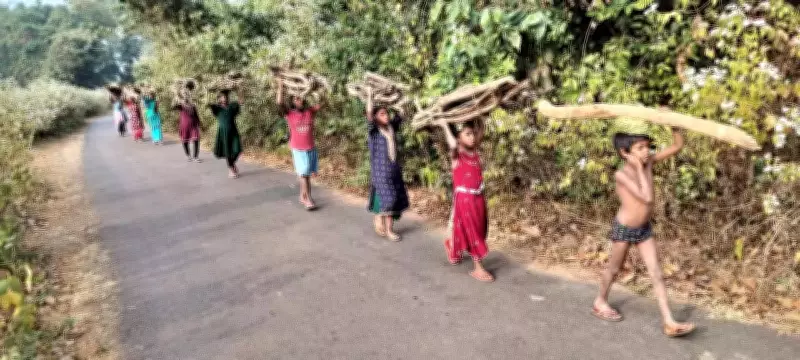
In villages around forested areas of both districts, residents are actively collecting firewood from nearby forests to meet their cooking needs. "Since last week, I have been cooking food with firewood in an earthen hearth due to non-availability of cooking gas," explained Minati Behera (43), a housewife from Marsaghai. This shift represents not just an inconvenience but a significant lifestyle change for families accustomed to modern cooking appliances.

Economic Consequences and Market Dynamics
The sudden surge in demand for firewood has triggered substantial price increases across the region. Previously priced between Rs 2,000 to Rs 3,000 per quintal, firewood now commands prices as high as Rs 3,500 per quintal, representing a significant financial burden for households and businesses already struggling with inflation.
This increased demand has created economic opportunities for some residents. Every day, Kalu Dehuri (26) of Dudhujori village under Sukinda block in Jajpur ventures into nearby forests with an axe to collect firewood. Many other tribal community members have similarly turned to firewood collection as a source of income during this crisis.
"We collect large quantities of firewood and sell it in the market. We move from house to house to sell it," said Ranu Munda (24) of Kaliapani village. Firewood collectors can earn approximately Rs 200 to Rs 300 daily through this work, providing crucial income in economically challenging times.
Environmental and Legal Concerns
The increased firewood collection has raised significant environmental and legal concerns. Forest range officer of Sukinda forest range Satyabrata Pradhan emphasized that collecting firewood is illegal in forested areas. "Every year, we take legal action against many wood collectors. We are now on high alert to prevent chopping of trees for firewood," he stated.
This creates a complex situation where communities face a choice between violating forest protection laws or struggling to meet basic cooking needs. The tension between immediate survival requirements and long-term environmental conservation presents a difficult challenge for both residents and authorities.
Broader Context of Global Tensions
The LPG shortage in Odisha districts is directly linked to escalating conflicts in West Asia that have disrupted international supply chains. While the immediate impact is felt in cooking fuel availability, the situation reflects how regional conflicts can create ripple effects affecting daily life in distant communities.
As households store firewood at home and businesses adapt their operations, the crisis highlights vulnerabilities in essential commodity supply systems and the resilience of traditional practices when modern infrastructure fails. The situation continues to evolve as authorities monitor both the international conflict situation and local environmental impacts.