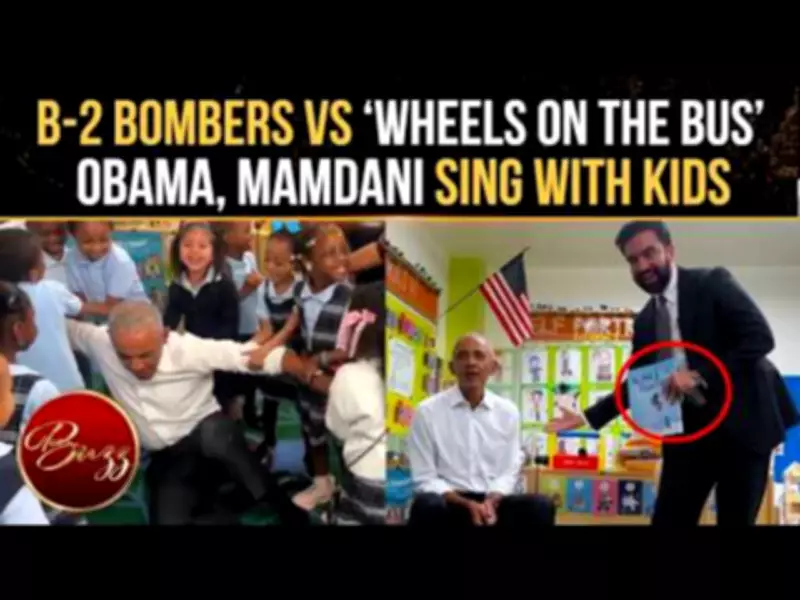
Preschoolers Surprise Obama and Mamdani with K-Pop Twist During Classroom Visit
In a world often dominated by serious geopolitical tensions, a heartwarming and unexpected moment emerged to capture global attention. Former U.S. President Barack Obama and political figure Zohran Mamdani found themselves at the center of a viral internet sensation during what was supposed to be a routine classroom visit with preschoolers.
The Unexpected Musical Switch
The scene unfolded as Obama and Mamdani were engaging with young children, reading stories and leading them in singing the classic nursery rhyme "Wheels on the Bus." However, the children had other plans. In a surprising display of Gen-Alpha cultural awareness, the preschoolers abruptly switched from the traditional song to performing "Soda Pop" from the K-Pop group Demon Hunters.
This sudden musical detour left Mamdani visibly puzzled for a moment, creating a genuine and relatable reaction that resonated with viewers worldwide. The wholesome singalong had transformed into an impromptu K-Pop performance, showcasing how younger generations are influenced by global pop culture trends.

Viral Spread and Internet Reaction
The clip quickly spread across social media platforms, with users sharing and commenting on the charming interaction. Many noted the contrast between the serious political context of heightened Iran tensions involving Donald Trump and this lighthearted classroom moment. The video became a feel-good escape from more somber news cycles, demonstrating how simple human interactions can transcend political boundaries.
Observers pointed out several key elements that contributed to the video's viral success:
- The genuine surprise on Mamdani's face when the children switched songs
- Obama's composed reaction to the unexpected musical change
- The cultural generation gap highlighted by the children's K-Pop knowledge
- The wholesome nature of political figures engaging with young children
Broader Cultural Significance
This incident underscores several important cultural trends in contemporary society. The children's familiarity with K-Pop demonstrates the global reach of South Korean popular music, which has become a significant cultural force worldwide. Additionally, the moment highlights how political figures increasingly use social media-friendly interactions to connect with broader audiences.
The viral spread of this classroom visit also reflects the public's appetite for positive, uplifting content amid more serious news coverage. As geopolitical tensions continue to dominate headlines, moments of genuine human connection and unexpected humor provide welcome relief to internet users globally.
While the original classroom visit was likely intended as a standard educational outreach, the children's spontaneous K-Pop performance transformed it into a memorable cultural moment that will likely be remembered long after more conventional political news has faded from public consciousness.