The Northeast's Delicate Dance: Economy vs. Ethnicity
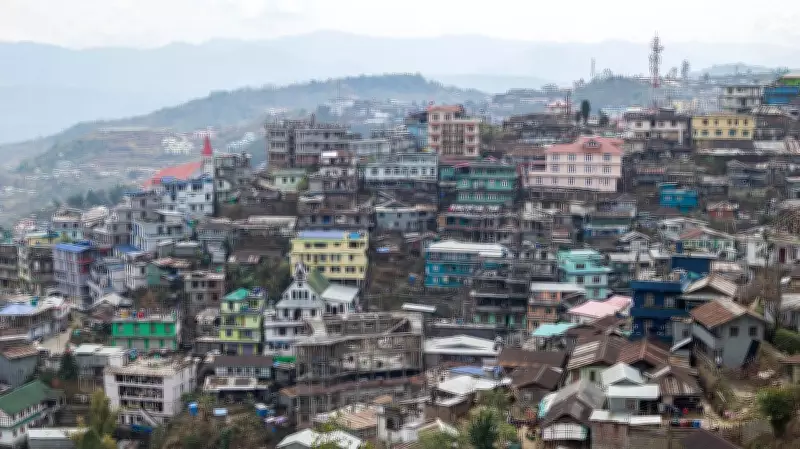
In the verdant hills and valleys of Northeast India, a profound and often contentious struggle is unfolding. This region, comprising eight states and home to over 200 distinct ethnic groups, finds itself at a crossroads where the push for economic modernization and integration with the national mainstream collides with the deep-seated desire to preserve unique cultural identities and ancestral lands. This tussle between ethnicity and economy is reshaping the socio-political landscape, forcing communities and policymakers to navigate a path fraught with uneasy trade-offs.
The Economic Imperative: Development and Connectivity
For decades, the Northeast has been perceived as an economic laggard, plagued by insurgency, geographical isolation, and inadequate infrastructure. In recent years, however, the central government has launched ambitious initiatives like the Act East Policy, aiming to transform the region into a gateway for trade with Southeast Asia. Massive investments in roads, railways, airports, and digital connectivity are underway, promising to spur growth, create jobs, and reduce regional disparities. Projects such as the Bharatmala Pariyojana for highway development and the expansion of railway networks are seen as vital for unlocking the Northeast's economic potential, particularly in sectors like tourism, agriculture, and hydropower.
Yet, this development drive is not without its critics. Many local communities view these projects with suspicion, fearing they will lead to land alienation, environmental degradation, and an influx of outsiders that could dilute indigenous cultures. The construction of large dams, for instance, has sparked protests in states like Assam and Arunachal Pradesh, where tribal groups argue that such projects displace people and disrupt traditional livelihoods without adequate consultation or compensation. Similarly, the push for industrialization and mining often encounters resistance from those who see their ancestral lands as sacred and non-negotiable.

The Ethnic Dimension: Identity and Autonomy
Ethnicity is the bedrock of social life in the Northeast, where tribes and communities have fiercely guarded their languages, customs, and territorial rights for centuries. The region's history of autonomy movements and insurgencies stems largely from fears of cultural assimilation and political marginalization. Constitutional provisions like the Sixth Schedule, which grants autonomy to tribal areas in Assam, Meghalaya, Tripura, and Mizoram, were designed to protect these identities. However, as economic projects encroach on these protected lands, tensions flare.
The Inner Line Permit (ILP) system, which regulates entry into states like Nagaland, Mizoram, and Arunachal Pradesh, exemplifies this protective stance. While intended to shield indigenous populations from demographic changes, it also poses challenges for investment and labor mobility. Businesses often complain that the ILP creates bureaucratic hurdles, slowing down development. This creates a paradox: how to attract economic opportunities while maintaining ethnic exclusivity?
Case Studies: Protests and Policy Dilemmas
Recent events highlight the intensity of this conflict. In Manipur, protests against the inclusion of the Meitei community in the Scheduled Tribe category erupted in 2023, driven by fears that it would threaten the land rights and political representation of existing tribal groups. Similarly, in Assam, the implementation of the National Register of Citizens (NRC) and the Citizenship Amendment Act (CAA) has ignited debates over identity and belonging, with economic implications for migrants and locals alike.

- Land Acquisition Issues: Infrastructure projects frequently require land acquisition, which can displace indigenous communities without their consent, leading to legal battles and social unrest.
- Environmental Concerns: The Northeast's biodiversity hotspots are at risk from mining and dam-building, pitting conservationists against development proponents.
- Cultural Erosion: The influx of non-local workers and businesses raises alarms about the dilution of traditional practices and languages.
Navigating the Future: Towards Inclusive Growth
Addressing this tussle requires nuanced policymaking that balances economic aspirations with ethnic sensitivities. Experts suggest several approaches:
- Participatory Development: Involving local communities in planning and decision-making processes to ensure their voices are heard and their rights protected.
- Ethnic-Sensitive Policies: Tailoring economic initiatives to respect cultural norms, such as promoting eco-tourism that benefits indigenous groups without disrupting their way of life.
- Skill Development: Focusing on education and vocational training to equip local youth for jobs in emerging sectors, reducing dependency on outside labor.
- Legal Safeguards: Strengthening land rights and environmental regulations to prevent exploitation while facilitating responsible investment.
The Northeast's journey is emblematic of a global challenge: how to integrate into a rapidly changing world without losing one's soul. As the region grapples with these uneasy trade-offs, the outcomes will not only shape its own future but also offer lessons for other ethnically diverse areas facing similar dilemmas. The path forward lies in fostering dialogue, ensuring equity, and recognizing that true development must honor both prosperity and identity.