Nepal's Youthful Electorate Drives High Turnout in Snap Parliamentary Elections
As Nepal conducted its snap parliamentary elections on Thursday, the nation's Generation Z voters emerged as a powerful force, turning out in substantial numbers across the Himalayan country. Many of these young voters had actively participated in the September protests that fundamentally reshaped Nepal's political landscape, and they now brought that energy to the polling booths.
Historic Participation Amid Logistical Challenges
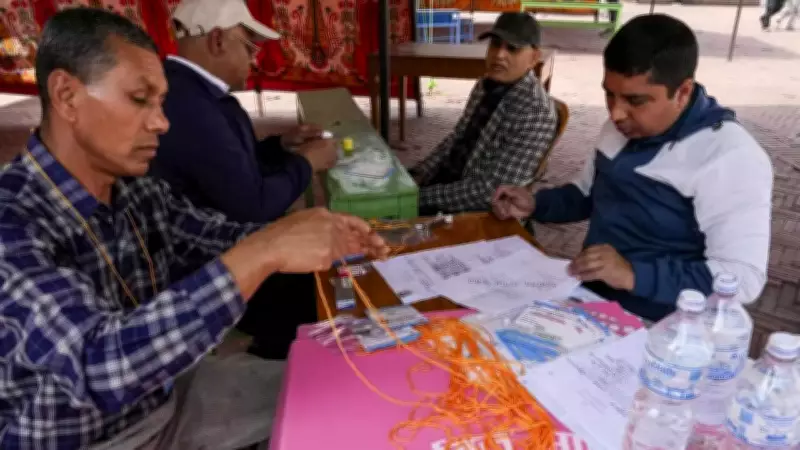
Students and young workers formed long queues outside polling stations established in schools, temples, and community gathering spaces throughout Nepal. Acting Chief Election Commissioner Ram Prasad Bhandari reported that preliminary turnout stood slightly above 60% by 5 PM, with expectations that this figure would increase as data arrived from remote and mountainous districts.
"Gen Z voters appeared pleased with the conduct of the polls and that their enthusiasm has been striking," Bhandari stated. "Their passion for voting was high." This preliminary turnout compares favorably with the 61.4% participation recorded in the 2022 elections, a significant achievement considering that more than 20% of registered voters are estimated to be working overseas.

Logistical Complexities in Mountainous Terrain
The election process faced substantial logistical challenges, with nearly 80% of Nepal's terrain consisting of mountains that complicate ballot transport and election administration in remote districts. Kathmandu's roads remained largely empty as the Election Commission enforced its routine election-day vehicle ban, requiring voters to walk the final distance to their polling stations.
Many citizens traveled for days across the challenging Himalayan landscape to reach their home constituencies and exercise their democratic rights. The parliamentary structure itself adds complexity to the counting process, with Nepal's 275-seat parliament allocating 110 seats through proportional representation, meaning the final nationwide tally may require several days as ballots arrive from distant regions.
Interim Government's Peaceful Election Priority
Interim Prime Minister Sushila Karki, Nepal's first woman to hold the position, cast her vote early in Kathmandu and declared to reporters, "my duty is complete." Karki, who assumed office after young activists organized an online vote following the resignation of KP Sharma Oli, emphasized her government's commitment to peaceful elections despite political uncertainty.
"We were careful from the beginning to avoid any bloodshed during the election," she explained. "Polls have been conducted in a frugal manner despite doubts that they could be organised. Incoming government will inherit the expectations of young voters. It holds the hopes of the youth — hope for change and a roadmap for development."
From Street Protests to Ballot Boxes
The snap elections followed months of political upheaval triggered by last year's Gen Z protests, which began after a brief social media ban and expanded into widespread demonstrations demanding accountability, governance reform, and job opportunities. The two-day uprising on September 8 and 9, during which more than 70 protesters lost their lives, ultimately forced the government's collapse and set the stage for these early elections.
For activists who helped organize the protests, polling day represented the natural progression of their movement — transforming street pressure into electoral influence. Amrita Ban, a 23-year-old Gen Z anti-corruption organizer involved in the September protests, described the day as deeply emotional.
"This momentous day feels like a rollercoaster of emotions," Ban expressed. "For six months, people kept asking if an election was even possible after all the bloodshed." She noted that many organizers felt overwhelmed by the turnout of young voters across various districts.

Unprecedented Youth Engagement
Majid Ansari, another Gen Z activist, observed that youth participation appeared unprecedented in Nepal's electoral history. "I've never seen teenagers and young people this hungry to vote," he remarked. Ansari framed the election as a direct response to the upheaval that followed the protests, explaining, "We began with demands for accountability and reforms, not a revolution. What followed was harsher than we imagined..."
The activist also called for accountability regarding violence during the unrest from whichever government assumes office following the election results. This sentiment reflects the ongoing demand for transparency and justice that initially propelled the protest movement.
The substantial Gen Z voter turnout represents a significant shift in Nepal's political dynamics, with young citizens demonstrating their commitment to shaping the country's future through democratic participation rather than solely through street demonstrations.