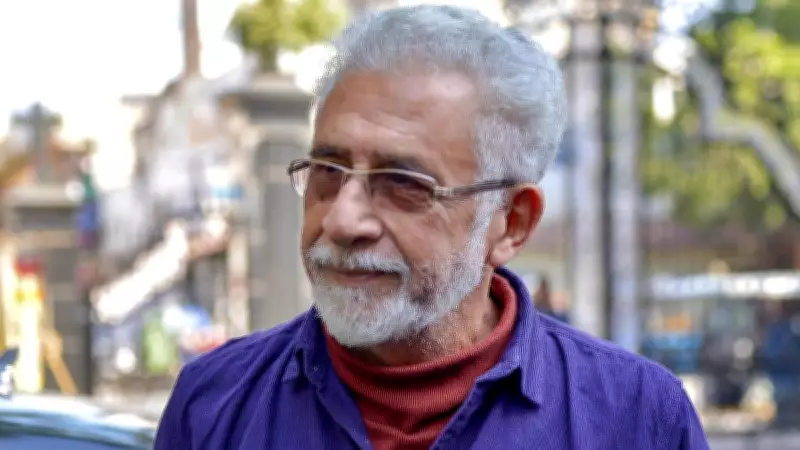
Naseeruddin Shah Alleges University Disinvitation Over Political Stance
Veteran actor and acclaimed artist Naseeruddin Shah has publicly claimed that he was disinvited from a university event, suggesting the decision was directly linked to his political views. The incident has ignited a significant conversation regarding freedom of expression and the role of educational institutions in hosting diverse perspectives.
Details of the Alleged Disinvitation
Shah, a distinguished alumnus of two premier Indian institutions—the National School of Drama (NSD) in New Delhi and the Film and Television Institute of India (FTII) in Pune—stated that the university's decision to withdraw his invitation likely stemmed from his outspoken political opinions. While the specific university and event details were not disclosed in initial reports, the actor emphasized that such actions could stifle open dialogue in academic settings.
The timing of this announcement, reported on February 5, 2026, adds to ongoing debates about political discourse in India's educational sphere.

Background and Institutional Legacy
Naseeruddin Shah's career spans decades, with numerous accolades in film, television, and theater. His training at NSD and FTII places him among the most respected figures in Indian performing arts. This background makes the disinvitation particularly noteworthy, as it involves an alumnus potentially being excluded from an academic environment he is closely associated with.
"The decision to disinvite me perhaps was for my views," Shah remarked, highlighting a perceived clash between personal expression and institutional protocols.Broader Implications for Freedom of Expression
This incident raises critical questions about:
- The boundaries of political discourse within university events.
- Whether institutions should curate speakers based on their viewpoints.
- The impact on students' exposure to varied ideological perspectives.
Similar cases have emerged globally, where universities face scrutiny for disinviting controversial figures, balancing academic freedom with community sensitivities.
Reactions and Ongoing Developments
While the university involved has not issued an official statement, the news has prompted reactions from free speech advocates, alumni, and political commentators. Many argue that universities, as hubs of intellectual exchange, should encourage robust debate, even when opinions are divisive.
As of the latest updates, no further details have been provided regarding the specific event or the university's rationale. The situation remains fluid, with potential implications for how educational institutions in India navigate political expression in the future.