

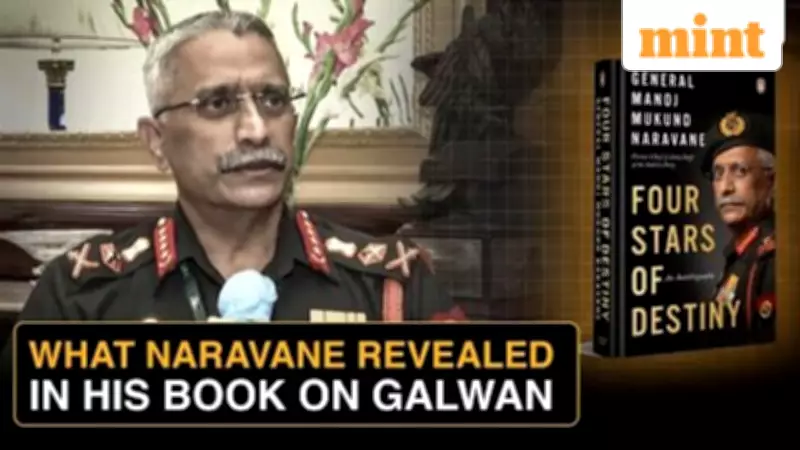
Naravane's Memoir Revelations Ignite Political Firestorm in Parliament
Former Chief of Army Staff General M M Naravane has inadvertently triggered a significant political controversy following the emergence of excerpts from his forthcoming memoir, Four Stars of Destiny. The revelations, particularly those concerning the 2020 Galwan Valley clashes between Indian and Chinese troops, became the focal point of a heated exchange in the Lok Sabha, highlighting deep-seated political divisions over national security discourse.
Lok Sabha Session Descends Into Chaos Over Unpublished Material
During a recent parliamentary session, Opposition leader Rahul Gandhi attempted to reference reported passages from Naravane's memoir that detail aspects of the Galwan clashes. This move immediately drew strong objections from key government figures, including Defence Minister Rajnath Singh and Home Minister Amit Shah. The situation escalated as Speaker of the House intervened, ultimately disallowing Gandhi's reference based on parliamentary rules that prohibit quoting from unpublished materials.
The memoir itself remains under government review, adding another layer of complexity to the controversy. This procedural aspect became a central point of contention, with the government emphasizing the importance of following established protocols while the opposition argued for transparency and accountability in matters of national security.

Contentious Excerpts and Their Political Implications
While specific details from the memoir remain officially unpublished, the reported excerpts have sparked intense debate about:
- The handling of the Galwan clashes by military and political leadership
- Transparency in national security matters
- The appropriate forum for discussing sensitive military operations
- The balance between parliamentary privilege and government review processes
The timing of this controversy is particularly significant, coming years after the actual events but during a period of ongoing border tensions between India and China. The political storm underscores how historical military engagements continue to shape contemporary political discourse and parliamentary dynamics.
Broader Implications for Military-Political Relations
This incident raises important questions about the relationship between military leadership and political governance in India. The fact that a former Army Chief's memoir can generate such intense parliamentary debate demonstrates:
- The enduring sensitivity of border conflict narratives
- The complex interplay between military transparency and political expediency
- The challenges of balancing historical accuracy with contemporary political considerations
- The evolving nature of civil-military relations in democratic India
As the government continues its review of Naravane's memoir, political observers anticipate further developments in this unfolding controversy. The incident has already established itself as a significant moment in India's ongoing conversation about national security, transparency, and the appropriate boundaries of political discourse concerning military operations.






