Government to Issue Suo Motu Statement on India-US Trade Deal Amid Opposition Protests
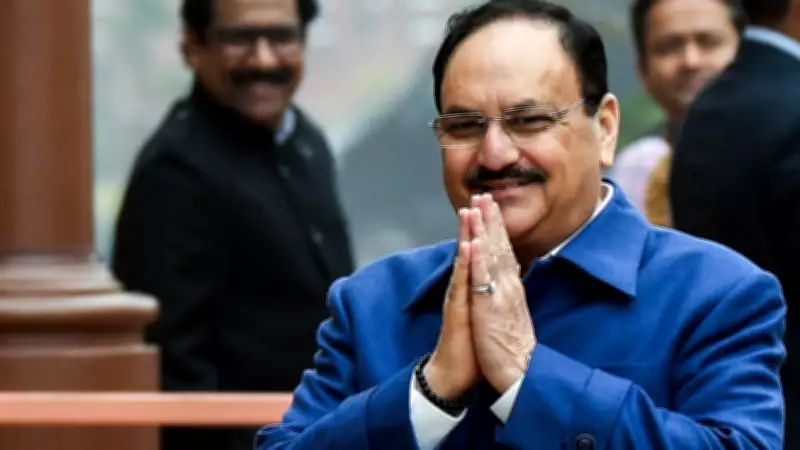
Union Minister JP Nadda announced in Rajya Sabha on Tuesday that the government will make a suo motu statement regarding the recently announced India-US trade agreement. This declaration came amidst intense sloganeering and protests from Opposition members who have been demanding complete transparency about the bilateral pact.
Nadda's Strong Rebuke to Congress and Opposition Alliance
Nadda, who serves as the Leader of the House in Rajya Sabha, launched a sharp criticism against the Congress party and the INDI alliance for their approach to the trade deal discussions. "When the government is ready to give a detailed statement, this attitude of Congress and the INDI alliance is wrong," Nadda stated emphatically during the parliamentary session.
The minister characterized the Opposition's behaviour as "threatening to democracy" and specifically targeted the Congress party, calling it "Congress's irresponsible behaviour." He suggested that their actions stemmed from political frustration rather than genuine concern about the trade agreement's details.

Background of the India-US Trade Agreement
The trade deal between India and the United States was finalized late on Monday, with significant implications for bilateral economic relations. According to announcements made by US President Donald Trump on social media, the agreement reduces tariffs on Indian exports from 25 percent to 18 percent, marking a substantial improvement in trade terms between the two nations.
Prime Minister Narendra Modi acknowledged the development through a post on X, expressing gratitude to the American president for the collaborative effort. This digital exchange between the two leaders highlighted the cordial diplomatic relationship that facilitated the trade negotiations.
Congress's Specific Concerns and Demands
The Congress party has raised several substantive questions about the trade agreement, including:
- Complete disclosure of all deal details and terms
- Clarification about potential opening of India's agriculture sector
- Concerns about calls for reducing tariffs to "zero" levels
- Questions regarding potential pauses in Russian oil purchases as mentioned by Trump
Congress leader Jairam Ramesh brought these concerns to the forefront in Rajya Sabha immediately after the Zero Hour concluded. He specifically noted that information about the deal seemed to be emerging from Washington rather than through official Indian government channels, raising questions about transparency and communication protocols.
Parliamentary Proceedings and Opposition Walkout
As Opposition members intensified their protests within the House, Nadda provided additional context about the agreement's announcement. He explained that President Trump had publicly disclosed the tariff reduction on social media and had subsequently communicated with Prime Minister Modi about the development.
Rajya Sabha Chairman C P Radhakrishnan intervened in the proceedings, urging Opposition members to maintain decorum and listen to the government's statement. "When the government is making a statement, Opposition MPs should listen," he emphasized, noting that while the government expressed willingness to engage in discussion, Opposition members were creating disruption instead.
Nadda reiterated the government's commitment to transparency, stating that the suo motu statement would be issued on Tuesday itself. He accused the Opposition of politicizing the issue, saying, "Their interest is only in turning everything into politics... They are trying to create an atmosphere in the country as if the government is avoiding a discussion."
Despite these assurances, members from several Opposition parties ultimately staged a walkout from Rajya Sabha, demonstrating their dissatisfaction with the government's approach to addressing their concerns about the trade agreement.

Broader Implications and Political Context
The parliamentary confrontation over the India-US trade deal reflects deeper political tensions between the ruling coalition and Opposition parties. The agreement itself represents a significant development in international trade relations, with potential economic benefits for Indian exporters through reduced tariff barriers.
However, the Opposition's concerns about sectoral impacts, particularly regarding agriculture and energy security, highlight the complex considerations involved in major international trade agreements. The government's commitment to issuing a detailed statement suggests an attempt to balance transparency with diplomatic protocol in communicating such agreements.
This episode underscores the ongoing challenges in parliamentary democracy where substantive policy discussions sometimes become overshadowed by political posturing and procedural conflicts. The walkout by Opposition members represents both a protest against perceived insufficient transparency and a political statement about their role as government watchdogs in India's democratic system.