Mumbai's Mayoral Race Awaits Caste Lottery Outcome Today
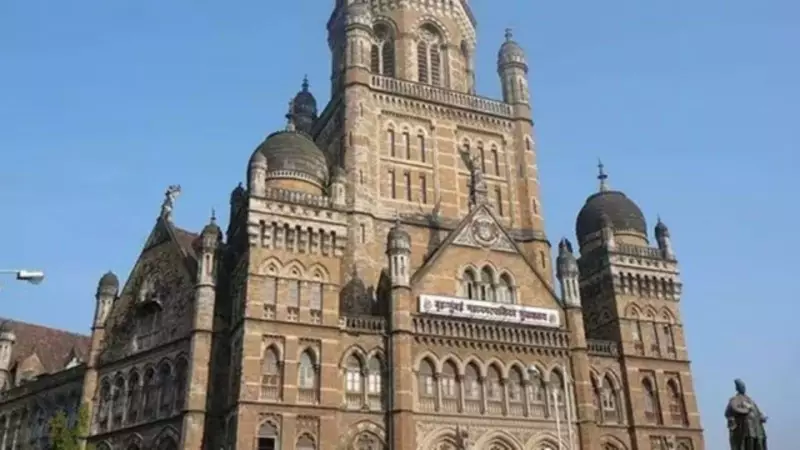
As Mumbai anticipates the selection of its next civic chief, the focus has shifted from election results to a crucial lottery scheduled for Thursday at 11 am. Conducted by the Urban Development Department at Mantralaya, this draw will use the rotation method to decide which caste category the mayor's post will be reserved for, setting the stage for a contest among the Bharatiya Janata Party, the Eknath Shinde-led Shiv Sena, and the Uddhav Thackeray-led Shiv Sena UBT.
Why the Lottery is Critical for Mumbai's Civic Leadership
Under the law governing urban local bodies, including the Brihanmumbai Municipal Corporation, the mayor's position must be reserved by rotation for Scheduled Castes, Scheduled Tribes, Other Backward Classes, and women. This reservation is not predetermined but determined through a neutral lottery to prevent political manipulation, as mandated by the 74th Constitutional Amendment. Until this process concludes, parties cannot formally nominate candidates, making it unlikely for Mumbai to have a mayor this week.
Once the category is announced, the BMC will hold a special meeting where corporators will elect the mayor from members belonging to that category, requiring a simple majority of over 114 votes in the 227-member House.

How Political Parties Stand Across Reservation Categories
Parties are closely evaluating their strengths based on potential lottery outcomes. In the Open category, the BJP leads with 31 corporators, followed by Shiv Sena UBT with 20 and the Shinde Sena with 11. For the Women category, the BJP again tops with 25 corporators, while Shiv Sena UBT has 18 and the Shinde faction nine.
In the OBC category, the BJP holds an advantage with 17 corporators, compared to Shiv Sena UBT's 11 and the Shinde Sena's three. Among OBC women, the BJP leads with 13 corporators, Shiv Sena UBT has seven, and the Shinde group three.
The contest becomes more competitive in Scheduled Caste segments. Shiv Sena UBT leads with three SC corporators, while the BJP has two and the Shinde Sena one. In SC women, Shiv Sena UBT again dominates with four corporators, followed by the Shinde Sena with two and the BJP with one.
For Scheduled Tribes, only Shiv Sena UBT has representation, with one corporator each in ST and ST women categories, whereas the BJP and Shinde Sena have none. Overall, the BJP has 89 corporators, Shiv Sena UBT 65, and the Shinde Sena 29, but the mayoral advantage will depend entirely on the lottery result.
Historical Context and Future Implications
Mumbai's mayor post has rotated across categories over the years, with past holders including Hareshwar Patil in the General category in 2000, Mahadev Devale for Scheduled Castes in 2002, and Snehal Ambekar for an SC woman in 2014. The last two terms under Vishwanath Mahadeshwar in 2017 and Kishori Pednekar in 2020 were in the General category, leading parties to brace for a possible reserved draw this time.
This lottery underscores the ongoing efforts to ensure social representation in urban governance, reflecting broader trends in Maharashtra's political landscape.