MP Accuses Central Government of Exacerbating LPG Crisis Through Policy Failures
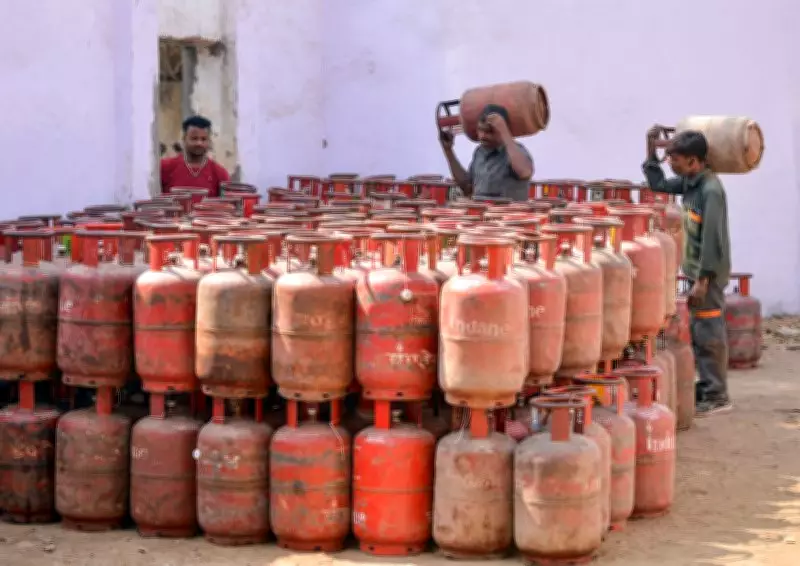
In a recent media address, Fatehgarh Sahib MP Amar Singh launched a scathing critique against the central government, holding its policies responsible for the deepening liquefied petroleum gas (LPG) crisis across India. The MP made these remarks after attending a religious function in Amloh town, Fatehgarh Sahib, highlighting growing concerns over gas shortages and affordability issues.
Allegations of Inadequate Preparedness and Flawed Strategies
Amar Singh asserted that despite receiving prior intelligence about evolving geopolitical tensions in West Asia, the central administration failed to maintain sufficient reserves of gas and petroleum. This lack of foresight, according to the MP, has directly contributed to the current crisis, leaving many households struggling to access essential cooking fuel.
The MP specifically targeted Prime Minister Narendra Modi's government, arguing that its economic and energy policies have not only triggered the gas shortage but also fueled a steady rise in inflation. "Even basic necessities are becoming unaffordable for the common man," Singh emphasized, pointing to the broader impact on daily life and household budgets.

Broader Implications for National Economy and Public Welfare
The criticism extends beyond the immediate LPG crisis, touching on wider governance issues. Singh's statements reflect ongoing political debates about resource management and public welfare, with the MP suggesting that the central government's approach has exacerbated economic hardships. This incident underscores the intersection of energy policy, inflation, and political accountability in contemporary India.
As the situation unfolds, stakeholders are calling for urgent measures to address the gas reserves and mitigate inflationary pressures, ensuring that essential commodities remain accessible to all citizens.