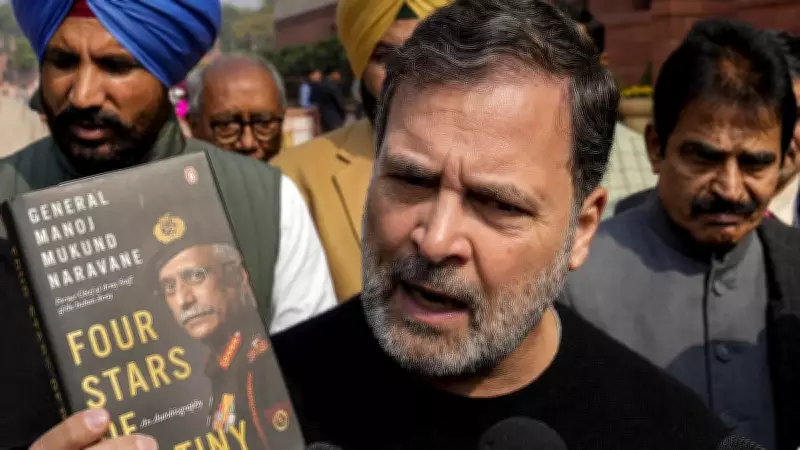
Memoir Row: A Question of Answers Amid Political Face-Off
The ongoing political confrontation surrounding controversial memoir excerpts has taken a more complex turn as the government maintains a steadfast silence on the matter. This strategic reticence from official quarters is deepening existing questions and creating an atmosphere of uncertainty within the political landscape.
Escalating Political Tensions
What began as revelations in a memoir has transformed into a full-blown political standoff between opposing factions. The controversial excerpts, which have not been officially confirmed or denied, have become a focal point for political debate and public scrutiny. Opposition parties have seized upon the silence as evidence of potential wrongdoing, while government supporters argue that discretion is necessary in sensitive matters.
The timing of this controversy coincides with significant political developments, adding layers of complexity to an already charged environment. Political analysts suggest that the government's calculated silence may be part of a broader strategy, but this approach risks appearing evasive to the general public and political observers alike.

Deepening Questions About Transparency
The government's refusal to address the memoir revelations directly has raised fundamental questions about transparency in governance. Critics argue that when elected representatives remain silent on matters of public interest, it undermines democratic principles and erodes public trust. The controversy has sparked debates about what constitutes appropriate disclosure versus necessary confidentiality in political matters.
Several key questions remain unanswered: What is the factual basis of the memoir claims? Why has the government chosen silence as its primary response? How will this affect political relationships moving forward? These unanswered questions create fertile ground for speculation and political maneuvering from all sides.
The Broader Implications
This controversy extends beyond the immediate political players involved. It touches upon broader issues of:
- Accountability in public office and what citizens can reasonably expect from their elected representatives
- Transparency standards in government communications and disclosures
- Political strategy and how silence can be used as a tactical weapon in political confrontations
- Public trust in political institutions and processes
The memoir row has become a litmus test for how political controversies are handled in contemporary Indian politics. The government's continued silence, while potentially strategic, has created a vacuum that opposition parties and media outlets have eagerly filled with their own narratives and interpretations.
Looking Ahead
As the political face-off continues, pressure mounts for some form of official response or clarification. The longer the silence persists, the more entrenched positions become on all sides of the debate. Political observers suggest that this controversy may have lasting implications for how similar situations are handled in the future and could potentially influence public perception of government transparency for years to come.
The fundamental question remains: In a democracy, when controversial claims emerge about government actions or decisions, what constitutes an appropriate response? The current memoir controversy provides no easy answers, but it certainly raises important questions about the balance between political strategy and public accountability.