Sir William Mark Tully's Enduring Legacy in Uttar Pradesh
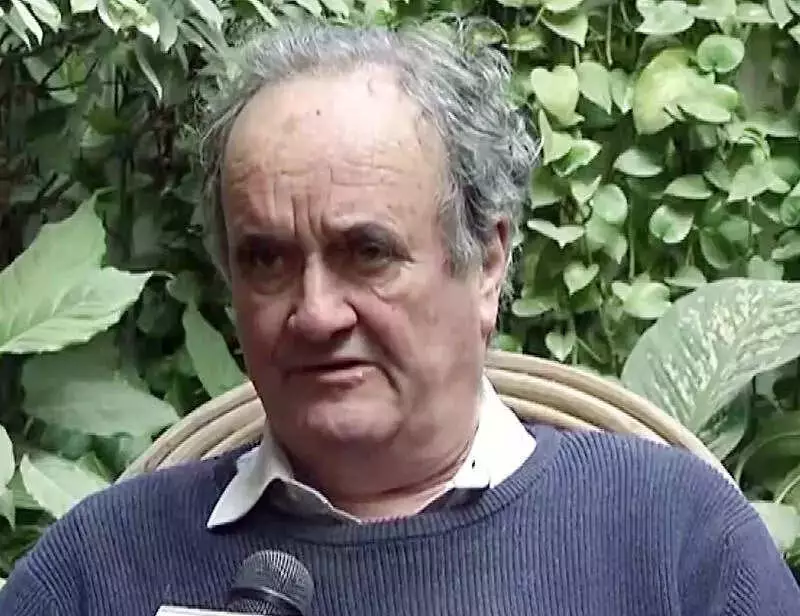
For Sir William Mark Tully, the former BBC bureau chief often celebrated as the BBC's "voice of India," Uttar Pradesh was far more than a mere reporting assignment. Over a remarkable career spanning more than four decades, Tully immersed himself in the state's political, historical, and cultural tapestry, forging deep personal ties with Lucknow and the broader region.
A Journalist Who Lived Among the People
Former BBC correspondent Ram Dutt Tripathi emphasized that Tully's engagement with Uttar Pradesh transcended occasional assignments. "For years, he travelled extensively across the state, covering elections, political movements, and religious gatherings," Tripathi noted. Tully reported on several Kumbh Melas in Prayagraj, including those in 1978 and 2013. Even at 78 years old in 2013, he stayed in a tent near the Sangam to cover the 'Shahi Snan,' navigating massive crowds with the unwavering dedication that defined his career.
Tripathi highlighted that "for Mark Tully, journalism was never about status or fame, but about living close to the people he reported on." This principle was evident as early as 1991, when then Prime Minister Chandra Shekhar held the national conference of Janata Dal (S) in rural Ballia. While most senior journalists opted for city hotels, Tully chose to stay in a temporary tent at the venue. He drank tea from roadside carts, savored 'baati-chokha,' and filed stories from a makeshift media center, demonstrating complete comfort with simple living.

Calm Amidst Chaos and Linguistic Mastery
Even in challenging situations, Tully maintained his composure. Tripathi recalled a rare moment when, during a return journey to Lucknow, a truck driver refused to give way, causing Tully to briefly lose his temper. More typically, when tense, he would quietly recite the Hanuman Chalisa to find peace.
Lucknow served as one of Tully's key working bases. During significant political developments—such as the arrest of LK Advani and the Babri Masjid case—he operated from the city, covering hearings at the CBI Special Court in Indiranagar.
Pivotal Moments and Cultural Integration
One of the most dramatic episodes in Tully's career occurred on December 6, 1992, during the demolition of the Babri Masjid. Despite intense media presence, he was part of the team that first reported police regaining control of the disputed site two days later. That same day, he was held hostage for several hours by kar sevaks before being freed with assistance from a prominent Ayodhya 'mahant.'
Veteran journalist Hisam Siddiqui remarked on Tully's linguistic prowess: "Though Mark was British, he had a strong command over Hindi and other languages. He always felt annoyed if anyone visiting him started a conversation in English. He used to say, 'Why do people talk to me in English? I am well versed in Hindi.'"
Siddiqui also recounted a notable incident involving Tully. "Once in an interview, then Prime Minister Rajiv Gandhi said that the BBC was not relevant now. In response, Mark said that when his mother (Indira Gandhi) was assassinated, and he was informed about the tragedy, he used the radio and confirmed the news while listening to BBC radio," he shared.
Through his decades of work, Sir William Mark Tully not only reported on Uttar Pradesh's stories but became an integral part of its narrative, embodying a journalism rooted in empathy, cultural respect, and unwavering commitment.