Lucknow Faces Garbage Crisis as Sanitation Workers Depart for Assam Elections
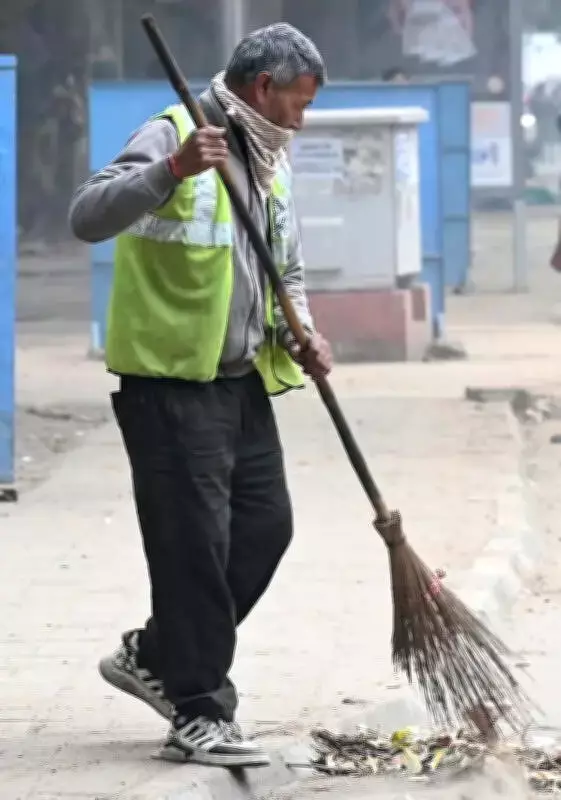
In a significant disruption to civic services, over 200 sanitation workers employed by private agencies in Lucknow have left the city to cast their votes in the Assam Assembly elections scheduled for April 9. This mass exodus has severely impacted door-to-door garbage collection across several parts of the city, affecting an estimated 70,000 households and creating a temporary sanitation crisis.
Widespread Disruption in Waste Management
The departure of these workers—representing at least one-third of the sanitation staff appointed by private agencies—has led to irregular waste collection in numerous localities. Residents have reported garbage piling up in their neighborhoods and significant delays in the daily lifting of waste. The crisis is expected to persist for at least a week, as most workers are on leave until April 15, with civic officials anticipating a return to normalcy shortly thereafter.
Sanitation services in Lucknow are managed through two private agencies: Lucknow Swachchta Abhiyan (LSA) and Lions Enviro. Together, these organizations cover all 110 wards under the Lucknow Municipal Corporation (LMC). LSA is responsible for sanitation work in 77 wards across five zones, while Lions Enviro manages the remaining 33 wards in three zones.

Agency Responses and Alternative Measures
Officials have confirmed that more than 150 workers from LSA's total workforce of approximately 600, along with nearly 70 workers from Lions Enviro, are currently on leave. This absence has affected primary garbage collection, road sweeping, and drain cleaning in various areas. Abhay Ranjan, regional head of LSA, acknowledged the partial impact on garbage collection due to the worker shortage.
"We are trying to engage local drivers and sanitation workers to maintain services as per requirement," Ranjan stated, emphasizing that the agency is making alternative arrangements to minimize disruption. Similarly, a representative from Lions Enviro mentioned that workers from nearby districts, including Barabanki, have been deployed to fill the gap, adding that no major complaints have been formally recorded in their wards so far.
Resident Complaints and Civic Challenges
Despite agency assurances, residents have reported visible impacts in several neighborhoods. Pallavi Sinha, a resident of Faizullaganj, noted that garbage collection vehicles have not been coming regularly, forcing residents to store waste at home. Another resident, Mamta, highlighted the foul smell from accumulating garbage and expressed frustration over the lack of clear information on when regular services will resume.
The issue extends beyond public services, as residents with private garbage collectors also raised concerns, noting that many private workers hail from Assam and West Bengal, further exacerbating the collection problems. According to LMC sources, Lucknow generates nearly 1,800 tonnes of municipal waste daily, with about 1,700 tonnes transported to the Shivri waste processing plant. Any disruption in door-to-door collection significantly affects the overall waste management cycle.
Political and Administrative Perspectives
Local corporators have pointed out specific challenges in the city's sanitation infrastructure. Chowk corporator Anurag Mishra explained that sanitation work in the old city requires additional manpower due to narrow lanes where large vehicles cannot operate, making the worker shortage particularly problematic. Ismailganj corporator Mukesh Chauhan called for better contingency planning, given that the election schedule was known in advance.
Mayor Sushma Kharkwal assured that the civic body is closely monitoring the situation, emphasizing that the disruption is temporary and services are expected to normalize soon. The ongoing crisis underscores the broader challenges in urban waste management and the need for robust backup systems during predictable events like elections.