

Major Disruption in Lok Sabha Over Rahul Gandhi's Attempt to Quote General Naravane's Memoir
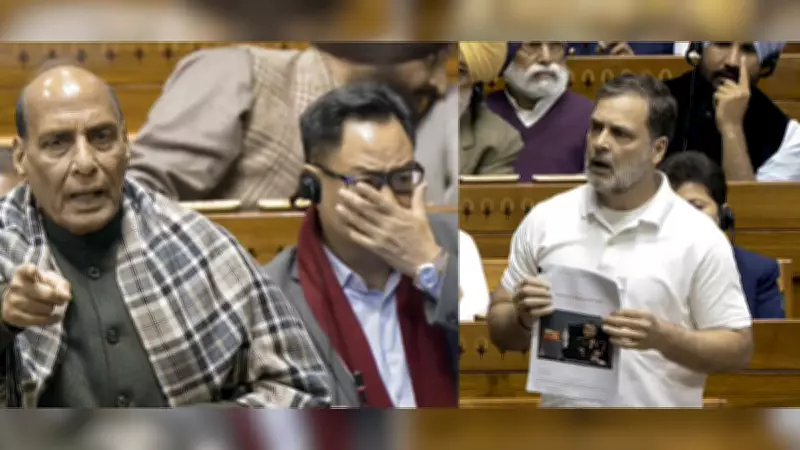
A significant uproar unfolded in the Lok Sabha on Wednesday as Congress leader Rahul Gandhi attempted to quote from the memoir of former Army Chief General M.M. Naravane. The incident triggered a heated exchange between the opposition and treasury benches, leading to a temporary halt in parliamentary proceedings. This development highlights the ongoing tensions and political fault lines within India's legislative body.
Details of the Parliamentary Confrontation
During a session in the lower house of Parliament, Rahul Gandhi rose to speak and sought permission to reference passages from General Naravane's recently published memoir. The request immediately sparked objections from members of the ruling party, who argued that such references were inappropriate and could compromise national security or parliamentary decorum. Voices were raised, and the Speaker intervened multiple times to restore order, but the disruptions persisted for several minutes.
The memoir in question, titled Four Stars of Destiny, has garnered attention for its insights into military and political matters during General Naravane's tenure. Rahul Gandhi's attempt to bring these details into parliamentary discourse appears to have touched a nerve, reflecting the sensitive nature of civil-military relations in contemporary Indian politics.

Political Reactions and Broader Implications
The row quickly escalated beyond the Lok Sabha chamber, with political leaders from various parties weighing in on the controversy. Supporters of the Congress party defended Rahul Gandhi's right to quote from a publicly available book, emphasizing transparency and accountability in governance. In contrast, BJP members accused the opposition of politicizing military matters and attempting to derail productive parliamentary discussions.
This incident is not an isolated one; it follows a pattern of frequent disruptions and partisan clashes in the Lok Sabha, which have often stalled legislative business. Analysts suggest that such episodes underscore the deepening polarization in Indian politics, where even references to non-political figures like former military chiefs can become flashpoints for conflict.
The broader implications of this row are multifaceted:
- It raises questions about the boundaries of parliamentary speech and the use of external sources in debates.
- It highlights the ongoing debate over civil-military relations and the role of the armed forces in political discourse.
- It reflects the challenges faced by the Speaker in maintaining order and facilitating constructive dialogue in a highly charged environment.
Context and Historical Precedents
Parliamentary rows over sensitive topics have a long history in India, but this particular incident involving a former Army Chief's memoir adds a new dimension. General Naravane's book has been discussed in various circles for its candid accounts of key events, including the 2020 India-China border standoff. By seeking to quote from it, Rahul Gandhi may have intended to highlight issues of national security or government decision-making, though his specific motives remain a subject of speculation.
Previous sessions have seen similar controversies, such as debates over defense deals or intelligence reports, but the direct invocation of a military leader's personal account is relatively rare. This has led to calls for clearer guidelines on what materials can be referenced in Parliament to prevent future disruptions.
In conclusion, the Lok Sabha row over Rahul Gandhi's attempt to quote General Naravane's memoir is a vivid illustration of the current state of Indian parliamentary politics. It underscores the delicate balance between free speech and parliamentary propriety, while also pointing to the larger issues of political trust and institutional respect. As the dust settles, the incident is likely to fuel further discussions on how to ensure that the Lok Sabha remains a forum for meaningful debate rather than mere theatrics.






