

Lok Sabha Witnesses Heated Row Over Rahul Gandhi's Attempt to Quote from General Naravane's Memoir
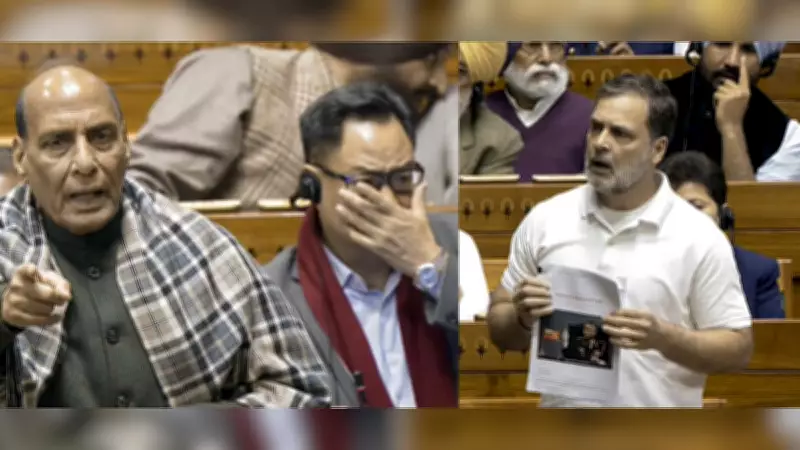
A significant political row erupted in the Lok Sabha on Wednesday as Congress leader Rahul Gandhi sought to quote from the memoir of former Army Chief General M.M. Naravane, leading to intense disruptions and a fierce debate over parliamentary decorum and national security protocols. The incident has sparked a fresh wave of political controversy, highlighting the deep-seated tensions between the ruling party and the opposition in India's lower house of Parliament.
Details of the Parliamentary Disruption
During a session in the Lok Sabha, Rahul Gandhi, a prominent opposition figure, attempted to read excerpts from General Naravane's recently published memoir, which contains insights into military operations and strategic decisions during his tenure. According to parliamentary sources, Gandhi's move was met with immediate objections from members of the ruling Bharatiya Janata Party (BJP), who argued that quoting from such a sensitive document could compromise national security and violate parliamentary rules.
The situation quickly escalated into a heated exchange, with BJP MPs raising points of order and demanding that the Speaker intervene to prevent the discussion. The opposition, led by the Congress party, countered by asserting their right to raise issues of public interest and accountability, claiming that the memoir sheds light on critical matters related to defense and governance.

Political Reactions and Implications
The row has drawn sharp reactions from political leaders across the spectrum. BJP representatives have accused Rahul Gandhi of attempting to politicize military matters and undermine the dignity of the armed forces for political gain. In contrast, Congress leaders have defended Gandhi's actions, stating that he was merely highlighting important revelations from the memoir that pertain to national security and transparency in government operations.
This incident underscores the ongoing challenges in maintaining parliamentary discipline and the delicate balance between freedom of speech and security concerns in India's democratic framework. It also reflects the broader political dynamics, where opposition parties often use parliamentary platforms to challenge the government on sensitive issues, leading to frequent disruptions and debates.
Background on General Naravane's Memoir
General M.M. Naravane, who served as the Chief of Army Staff from 2019 to 2022, released his memoir earlier this year, offering a candid account of his experiences and key events during his military career. The book has garnered attention for its detailed narratives on operations such as the Doklam standoff and the handling of border tensions, making it a topic of interest in political and defense circles.
The controversy in the Lok Sabha highlights how such memoirs can become focal points in political discourse, especially when they touch upon issues of national importance. It raises questions about the extent to which parliamentary discussions should involve sensitive military information and the protocols for handling such matters in a public forum.
Conclusion and Future Outlook
The row in the Lok Sabha is likely to have lasting implications for parliamentary proceedings and political relations in India. As both sides dig in their heels, the incident may lead to stricter enforcement of rules regarding the discussion of defense-related topics in Parliament. Moreover, it could influence public perception of how political parties engage with national security issues, potentially shaping voter sentiment in the lead-up to future elections.
In summary, the attempt by Rahul Gandhi to quote from General Naravane's memoir has ignited a fierce political debate, emphasizing the complexities of balancing transparency, security, and parliamentary conduct in India's vibrant democracy.






