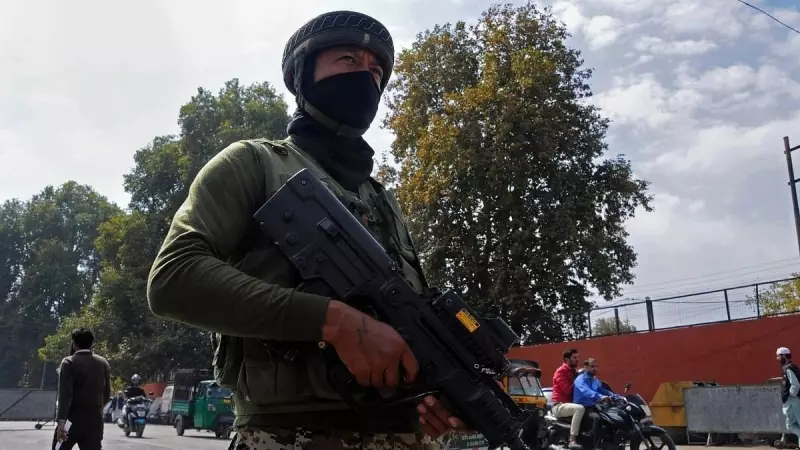
Kuki community organizations have voiced strong objections against the gallantry award presented to a Central Reserve Police Force (CRPF) officer for leading an operation in Manipur that resulted in the deaths of ten individuals described as 'armed persons.' The protest emerged on the very day Assistant Commandant Vipin Wilson was honored with the Shaurya Chakra during the Republic Day celebrations in 2026.
Republic Day Recognition Sparks Controversy
The Shaurya Chakra, India's third-highest peacetime gallantry award, was conferred upon Vipin Wilson in recognition of his leadership during a counter-insurgency operation in the Jiribam district of Manipur. The operation, which took place on November 11, 2024, involved a CRPF Quick Action Team (QAT) responding to what was described as a camp attack by insurgents.
Details of the November 2024 Operation
According to official accounts, Assistant Commandant Vipin Wilson led the CRPF QAT in an engagement that successfully neutralized ten armed individuals. The operation was aimed at foiling a suspected insurgent camp attack, with authorities highlighting Wilson's bravery and tactical acumen under fire. The CRPF's official social media account praised his "indomitable spirit" and "unparalleled bravery" in posts commemorating the Republic Day award.

Kuki Community's Objections
However, Kuki groups have taken exception to the characterization of the operation and the subsequent gallantry award. These organizations have raised concerns about the narrative surrounding the incident, particularly the description of the deceased as 'armed persons.' The protest underscores ongoing tensions in Manipur, where ethnic conflicts and security operations have frequently been points of contention between communities and state forces.
Broader Context of Manipur's Security Landscape
Manipur has long been a region affected by insurgency and ethnic strife, with various armed groups operating in the state. Security forces, including the CRPF, are regularly deployed in counter-insurgency roles. Awards like the Shaurya Chakra are intended to recognize exceptional courage in such operations, but they sometimes become focal points for broader political and social debates about conflict narratives and civilian casualties.
The timing of the Kuki groups' objection—coinciding with Republic Day celebrations—adds a layer of symbolic significance to the protest. It highlights how national honors can intersect with local grievances in conflict zones. As the controversy unfolds, it raises questions about the processes of recognizing military and paramilitary actions in regions with complex socio-political dynamics.