Kharge Raises Farooq Abdullah Attack Issue in Rajya Sabha, Nadda Denies Allegations
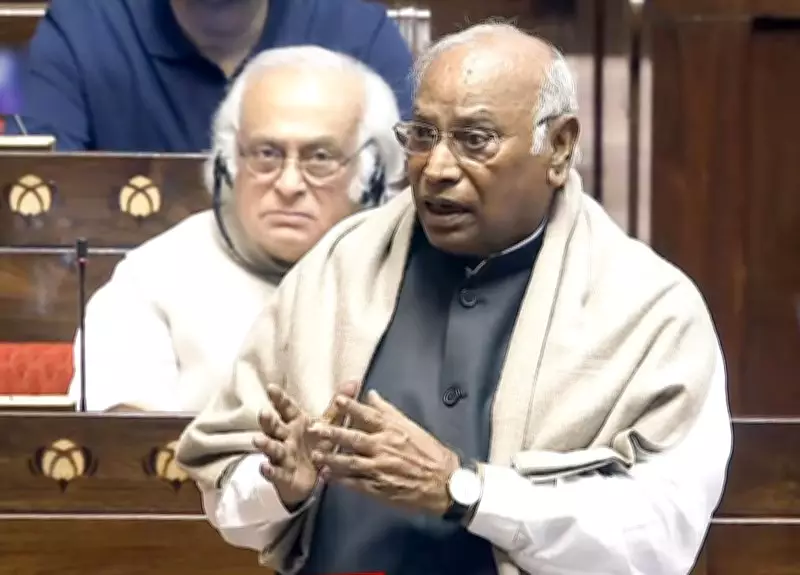
In a significant development in the Rajya Sabha, Congress President Mallikarjun Kharge brought up concerns regarding an alleged attack on National Conference leader Farooq Abdullah. Kharge highlighted the incident during a parliamentary session, urging for a thorough investigation and accountability. He emphasized the need to ensure the safety and security of all political figures, particularly in the context of Jammu and Kashmir's volatile political landscape.
Nadda's Firm Rejection of the Allegations
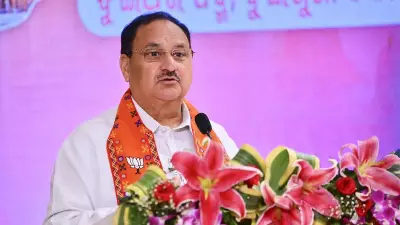
Bharatiya Janata Party (BJP) President JP Nadda promptly responded to Kharge's claims, categorically rejecting the allegations. Nadda stated that there was no evidence to support the incident and accused the Congress of politicizing the matter for electoral gains. He reiterated the BJP's commitment to maintaining law and order and dismissed the accusations as baseless and motivated by political rivalry.
The exchange between Kharge and Nadda has ignited a heated political debate, with both parties presenting contrasting narratives. Kharge's raising of the issue underscores ongoing tensions in Jammu and Kashmir, where political violence and security concerns remain prevalent. Meanwhile, Nadda's denial reflects the BJP's stance on dismissing opposition claims as unfounded.

Implications for Jammu and Kashmir Politics
This incident has broader implications for the political dynamics in Jammu and Kashmir. Farooq Abdullah, a prominent leader in the region, has been a vocal critic of central policies, and any alleged attack on him could escalate tensions. The Rajya Sabha discussion highlights the fragile state of affairs in the union territory, where political dissent and security issues often intersect.
Experts suggest that such incidents could impact public perception and trust in governance, especially in conflict-prone areas. The government's response, as articulated by Nadda, aims to project stability and control, while opposition leaders like Kharge use these platforms to hold authorities accountable.
As the debate continues, it remains to be seen how this issue will unfold in the coming days, with potential repercussions for both national and regional politics.