Kejriwal and Sisodia Submit Rs 50,000 Security Bond After Court Discharge in Excise Policy Case
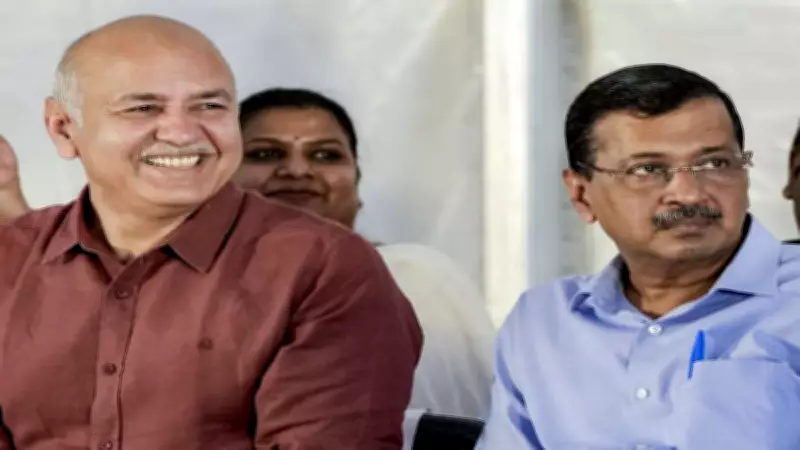
In a significant legal development, Delhi Chief Minister Arvind Kejriwal and former Deputy Chief Minister Manish Sisodia have submitted a security bond of Rs 50,000 each to the Rouse Avenue Court in New Delhi. This action follows their formal discharge in the high-profile Delhi excise policy case, which has been under intense scrutiny for alleged irregularities in the formulation and implementation of the now-scrapped liquor policy.
Court Grants Discharge Citing Insufficient Evidence
The court's decision to discharge Kejriwal and Sisodia was based on a thorough review of the evidence presented by the Enforcement Directorate (ED) and other investigative agencies. The judge ruled that there was insufficient evidence to proceed with the charges, leading to the discharge order. This ruling marks a pivotal moment in the case, which has been a focal point of political and legal debates in the capital.
Following the discharge, both leaders were required to furnish the security bond as a procedural step to ensure compliance with court directives. The bond amount of Rs 50,000 is a standard requirement in such cases, aimed at securing the court's interests pending any potential appeals or further legal actions.

Background of the Delhi Excise Policy Case
The Delhi excise policy, introduced in 2021, was aimed at reforming the liquor trade in the national capital by privatizing sales and increasing government revenue. However, it faced allegations of corruption and favoritism, leading to its eventual scrapping and a series of investigations by central agencies. Key allegations included:
- Manipulation of policy provisions to benefit certain private entities.
- Financial irregularities in the allocation of liquor licenses.
- Alleged involvement of top AAP leaders in the scandal.
Kejriwal and Sisodia, both prominent figures in the Aam Aadmi Party (AAP), have consistently denied any wrongdoing, labeling the case as politically motivated. The discharge and subsequent bond submission are seen as a major relief for the AAP leadership, though the case may still face appeals in higher courts.
Political and Legal Implications
This development has significant ramifications for Delhi's political landscape. The AAP, which governs the national capital, has hailed the court's decision as a vindication of its leaders' integrity. In contrast, opposition parties have criticized the ruling, questioning the efficacy of the investigative process and hinting at possible appeals.
From a legal perspective, the discharge underscores the challenges in prosecuting high-profile cases involving political figures. Legal experts note that the requirement for a security bond is a routine measure, but it does not preclude future legal challenges. The ED and other agencies may still explore options to challenge the discharge in appellate courts, keeping the case alive in the judicial system.
As the situation unfolds, all eyes are on the next steps from both the prosecution and the defense. The submission of the Rs 50,000 bond by Kejriwal and Sisodia formalizes their compliance with the court's order, but the broader legal battle over the excise policy may continue to evolve in the coming months.