Legal Framework of Phone Tapping Takes Center Stage in KCR's SIT Interrogation
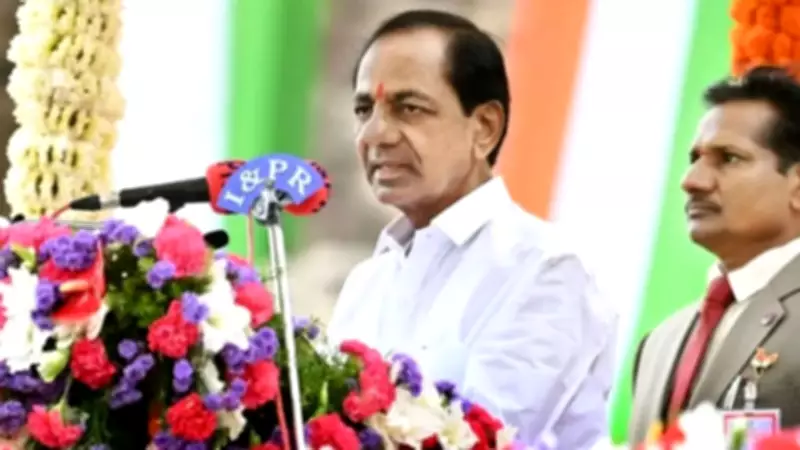
In a significant development in the alleged phone-tapping case, the five-hour questioning of former Telangana Chief Minister K Chandrashekar Rao by the Special Investigation Team focused extensively on the legal parameters governing telephone interception. Sources familiar with the proceedings revealed that the crux of the interrogation revolved around when phone tapping can and cannot be legally carried out under Indian law.
KCR Maintains Government's Actions Were Legal
During the Sunday questioning session, KCR reportedly maintained that his government had not indulged in any illegal phone tapping activities. The former chief minister is understood to have argued that any surveillance conducted during his administration was legal and properly sanctioned. However, SIT officials confronted him with purported evidence suggesting otherwise, creating a contentious atmosphere during the interrogation.
Confrontation Over Legal Provisions
Investigators reportedly informed KCR that according to the Indian Telegraph Rules of 1951, interception of telephone calls requires prior permission from either the head or the second senior-most officer of the authorized security agency. This legal framework became a focal point of discussion as the SIT sought to establish whether proper procedures were followed during the alleged surveillance operations.

The case centers on allegations that phones belonging to political rivals of the Bharat Rashtra Samithi were tapped while KCR's party was in power in Telangana. The accused individuals in this high-profile case include:
- Special Intelligence Branch chief and IPS officer T Prabhakar Rao
- Deputy Superintendent of Police D Praneeth Rao
- Additional Superintendents of Police M Thirupathanna and N Bhujanga Rao
- Former Superintendent of Police P Radhakishan Rao
- TV channel owner A Shravan Kumar Rao
Evidence of Extensive Surveillance Emerges
SIT sources had earlier claimed to possess evidence indicating that at least 600 phone numbers tapped by the Special Intelligence Branch under Prabhakar Rao's leadership were unrelated to Left Wing Extremism monitoring. This revelation is particularly significant because the SIB was originally established in 1990 specifically to track and prevent activities of the Communist Party of India (Maoist).
Legal Basis for Phone Interception
According to Section 5(2) of the Indian Telegraph Act, 1885, governments are permitted to intercept, detain, or disclose telegraph messages under specific circumstances. These include:
- During public emergencies
- For public safety considerations
- In the interests of India's sovereignty and state security
- To maintain friendly foreign relations
- To preserve public order
- To prevent incitement to crime
The law mandates that reasons for such interceptions must be recorded in writing, creating an essential paper trail for accountability.
Questioning Extends to Administrative Decisions
Investigators also questioned KCR about why accused number one, Prabhakar Rao, received an extension of his tenure as SIB chief. This line of inquiry is significant because KCR, as the former chief minister of Telangana, was directly responsible for heading the state's intelligence wing during the period in question.
Political Reactions and Accusations
The Bharat Rashtra Samithi has accused the police of operating with a predetermined agenda aimed at framing KCR. KCR's son and BRS working president KT Rama Rao expressed these concerns publicly on social media platform X, stating: "Looks like you have decided to be the judge and jury all by yourself Mr Commissioner. Please remember that you're chairing the team that is investigating into an 'alleged' crime which ultimately has to be proven in a court of law."
He further added: "I hope the honourable courts are taking notice of these extreme statements and high handed actions," directly addressing Hyderabad Police Commissioner VC Sajjanar, who is overseeing the investigation team.

The case continues to develop as investigators examine the substantial evidence collected and legal experts debate the precise boundaries of surveillance authority under Indian telecommunications law. The outcome of this investigation could have significant implications for privacy rights, political accountability, and the legal framework governing state surveillance powers in India.