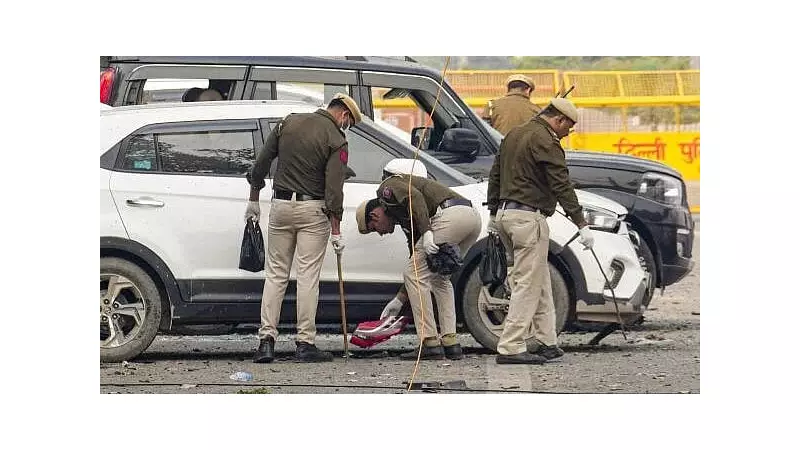
Interpol Notice Likely Against Kashmiri Medico in Red Fort Blast Case
In a significant development in the high-profile Red Fort blast investigation, authorities are reportedly preparing to issue an Interpol notice against Dr Muzaffar, a Kashmiri medico originally hailing from Qazigund in Jammu and Kashmir. This move comes as part of intensified efforts to track down individuals linked to the case who have fled the country.
Proclaimed Offender Status and Legal Proceedings
Dr Muzaffar has already been formally declared a proclaimed offender by a special National Investigation Agency (NIA) court, underscoring the seriousness of the allegations against him. This legal designation indicates that the court has sufficient evidence to proceed against him in absentia, following failed attempts to secure his appearance through standard summons.
The special NIA court's ruling highlights the judicial system's determination to hold accountable those implicated in the Red Fort blast, a case that has drawn national attention due to its symbolic location and security implications. The proclamation as an offender allows authorities to seize his properties and take further coercive measures under Indian law.

International Manhunt and Suspected Location
Investigative agencies believe that Dr Muzaffar fled India in August, shortly before or during the initial phases of the probe into the Red Fort incident. Intelligence inputs and tracking efforts suggest he may currently be residing in Afghanistan, a detail that complicates extradition and apprehension due to geopolitical and diplomatic challenges.
The anticipated Interpol notice, once issued, would activate a global alert through Interpol's channels, requesting member countries to assist in locating and detaining Dr Muzaffar for potential extradition to India. This step is crucial for cross-border cooperation in terrorism-related cases, where suspects often exploit international boundaries to evade justice.
Background and Implications
The Red Fort blast case has been a focal point for India's counter-terrorism apparatus, with the NIA leading a meticulous investigation to uncover the network behind the attack. Dr Muzaffar's involvement, as suggested by the court's actions, points to possible medical or logistical support roles, though specific charges remain under judicial scrutiny.
His roots in Qazigund, a town in Jammu and Kashmir, add a regional dimension to the case, reflecting ongoing security concerns in the area. The issuance of an Interpol notice would mark a pivotal escalation in India's efforts to bring overseas suspects to trial, emphasizing the government's resolve to combat terrorism irrespective of geographical hurdles.
As the situation unfolds, authorities continue to coordinate with international agencies to tighten the net around Dr Muzaffar, aiming to ensure that justice is served in this landmark case. The development also serves as a reminder of the evolving nature of terror threats and the need for robust international legal frameworks to address them effectively.