US-Israel Military Action Against Iran Creates Deep Political Rift in India
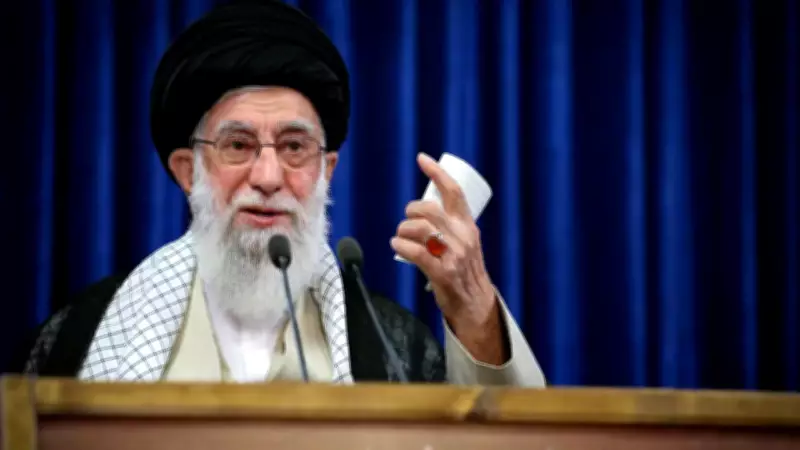
The recent coordinated military strikes by the United States and Israel targeting Iran, which resulted in the death of Iran's Supreme Leader Ayatollah Ali Khamenei, have exposed a significant and unprecedented fracture in India's political landscape regarding foreign affairs. This development represents the most pronounced rupture to date between opposition parties—particularly the Indian National Congress and Left factions—and the central government on a sensitive international security matter.
India's Diplomatic Response and Opposition Criticism
While the Indian government has officially called for restraint and emphasized diplomatic solutions to de-escalate regional tensions, Prime Minister Narendra Modi's recent actions have drawn intense scrutiny. During telephone conversations with leaders of Gulf nations—home to millions of Indian expatriates—Modi condemned attacks on their territories, a move widely interpreted as indirect criticism of Iran.
The opposition has seized upon several factors to criticize the government's position. Modi's visit to Israel just days before the attacks, where he invoked strong bilateral ties and praised Israeli Prime Minister Benjamin Netanyahu, has become a focal point for political opponents. More significantly, opposition parties have strongly condemned the government's apparent silence regarding the killing of Ayatollah Khamenei.

Opposition Parties Voice Strong Objections
Congress President Mallikarjun Kharge explicitly condemned what he termed the "assassination" of Iran's supreme leader, asserting that his party firmly believes in the fundamental right of every nation's citizens to determine their political future without external interference. The Congress party has characterized the government's reluctance to criticize the United States and Israel as a "moral abdication" of leadership responsibilities.
Communist Party of India (Marxist) leader M.A. Baby called for India to take a leading role in mobilizing Global South nations to condemn what he described as "excesses being committed by the US-Israel axis" in Iran. Meanwhile, Communist Party of India leader D. Raja emphasized Iran's status as a friendly nation to India and expressed deep concern over what he called the "disturbing silence" of both the government and Prime Minister Modi regarding recent developments.
Regional Context and Broader Implications
The military actions have created widespread regional instability, with Iranian state media claiming a U.S. F-15 fighter jet was downed in Kuwait—accompanied by video footage allegedly showing the aircraft engulfed in flames with pilots ejecting—and reports of explosions in Bahrain, Dubai, and Doha. Israel has simultaneously conducted bombing campaigns against Hezbollah targets in Beirut, while Gulf nations have vowed to strengthen their defensive capabilities.
This foreign policy divergence marks a significant departure from India's traditional approach to sensitive international matters, where political parties have historically demonstrated greater convergence in the name of national interest. The current controversy highlights deepening ideological divides over India's positioning in complex geopolitical conflicts and raises questions about the country's evolving strategic partnerships in the Middle East region.