Government Clarifies What Constitutes Proof of Indian Citizenship
The Indian government has made it clear that common identification documents such as a passport, Aadhaar card, or voter ID are not conclusive proof of Indian citizenship. In a written reply to the Rajya Sabha, Minister of State for Home Affairs Nityanand Rai stated that these documents serve as proof of identity and residence but do not establish citizenship status.
Official Documents Required for Citizenship Proof
According to the minister, the only documents that serve as conclusive proof of Indian citizenship are a citizenship certificate issued under the Citizenship Act, 1955, or a certificate of naturalization or registration. These are issued by the central government after due verification of eligibility under the law.
The clarification came in response to a question by Rajya Sabha member Dr. Banda Prakash, who sought information on whether Aadhaar, passport, and voter ID are considered proof of citizenship. The minister emphasized that no single document can be considered conclusive evidence of citizenship, and each case is examined on its merits.

Implications for Citizens and Authorities
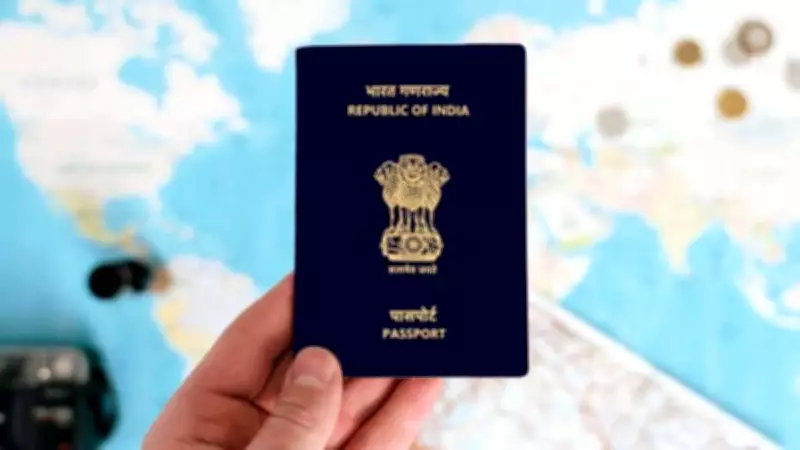
The statement has significant implications for millions of Indians who rely on these documents for various purposes, including travel, voting, and accessing government services. While a passport is required for international travel, it does not automatically confer citizenship. Similarly, Aadhaar and voter ID, though widely used for identification, are not citizenship documents.
The government's position aligns with the existing legal framework, which distinguishes between identity documents and citizenship certificates. This clarification is particularly relevant in the context of the National Register of Citizens (NRC) and the Citizenship Amendment Act (CAA), which have sparked debates on citizenship documentation.
In his reply, Rai stated, "As per the extant legal framework, a passport, Aadhaar card, or voter ID card are not proof of Indian citizenship. The conclusive proof of citizenship is a citizenship certificate issued under the Citizenship Act, 1955."
Background and Context
The issue of citizenship proof has gained prominence in recent years, especially with the implementation of the NRC in Assam and the passage of the CAA. The NRC aimed to identify illegal immigrants in Assam, leading to concerns over the documentation of citizenship. The CAA provides a path to citizenship for non-Muslim immigrants from neighboring countries, further highlighting the need for clear citizenship verification processes.
The government's clarification underscores the importance of having proper documentation to prove citizenship, especially for those affected by the NRC or seeking benefits under the CAA. It also serves as a reminder that common ID documents are not sufficient to establish citizenship in legal or administrative contexts.
The minister's response has been widely reported and is expected to prompt citizens to ensure they have the necessary citizenship certificates, particularly those in border states or with unclear citizenship status. The government has not announced any new measures to issue citizenship certificates en masse but has reiterated the existing legal position.