Piyush Goyal Confident of AIADMK-Led NDA Victory in Tamil Nadu After Meeting with Palaniswami
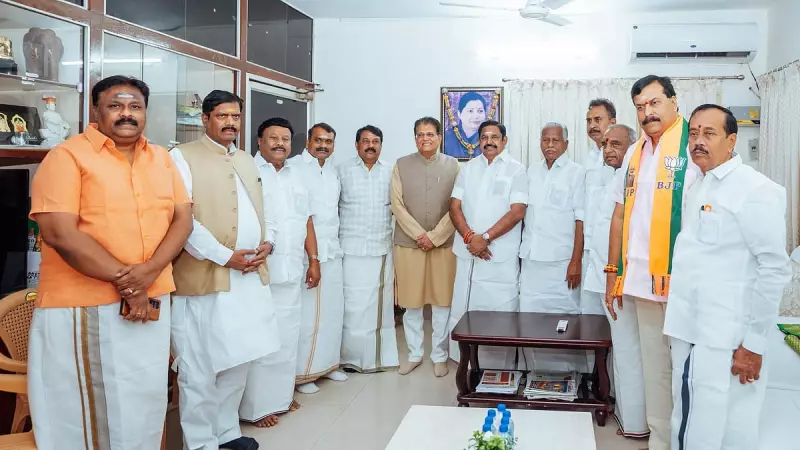
Union Minister Piyush Goyal held a significant meeting with AIADMK leader Edappadi K. Palaniswami, where he expressed strong optimism about the National Democratic Alliance's prospects in Tamil Nadu. Goyal stated that a robust AIADMK-led NDA coalition is poised to come to power in the state, highlighting the alliance's growing strength and unity ahead of crucial electoral battles.
NDA Coalition Structure in Tamil Nadu
The AIADMK currently leads the NDA alliance in Tamil Nadu, with the opposition bloc comprising several key constituents. These include the Bharatiya Janata Party, the PMK under the leadership of the Anbumani faction, the AMMK, and the Tamil Maanila Congress led by former union minister GK Vasan. This diverse coalition represents a broad spectrum of political interests and regional aspirations within the state.
Strategic Importance of the Meeting
The meeting between Piyush Goyal and Edappadi Palaniswami underscores the strategic coordination between national and state-level leadership within the NDA framework. Such interactions are crucial for aligning campaign strategies, policy priorities, and organizational efforts to present a united front to the electorate. The confidence expressed by Goyal reflects the alliance's assessment of its ground-level preparedness and voter sentiment.

Political analysts suggest that this public display of unity and optimism is aimed at countering opposition narratives and energizing the NDA's support base. The emphasis on a strong AIADMK-led coalition specifically addresses questions about leadership and cohesion within the alliance, which have been points of discussion in Tamil Nadu's political circles.
Broader Implications for Tamil Nadu Politics
This development comes at a time when Tamil Nadu's political landscape is witnessing dynamic shifts and realignments. The NDA's consolidation under AIADMK leadership signals a focused attempt to leverage regional strengths while integrating with national governance frameworks. The inclusion of parties like PMK, AMMK, and TMC-M adds layers of caste, regional, and ideological representation to the coalition, potentially broadening its appeal across different voter segments.
As election timelines approach, such statements and meetings are likely to intensify, shaping public discourse and campaign trajectories. The NDA's performance in Tamil Nadu will be closely watched, given the state's significant electoral weight and historical political distinctiveness. The alliance's ability to translate this expressed confidence into electoral success will depend on factors like candidate selection, manifesto promises, and on-ground mobilization efforts.