Giriraj Singh Launches Fiery Verbal Attack on Rahul Gandhi in Parliament Row
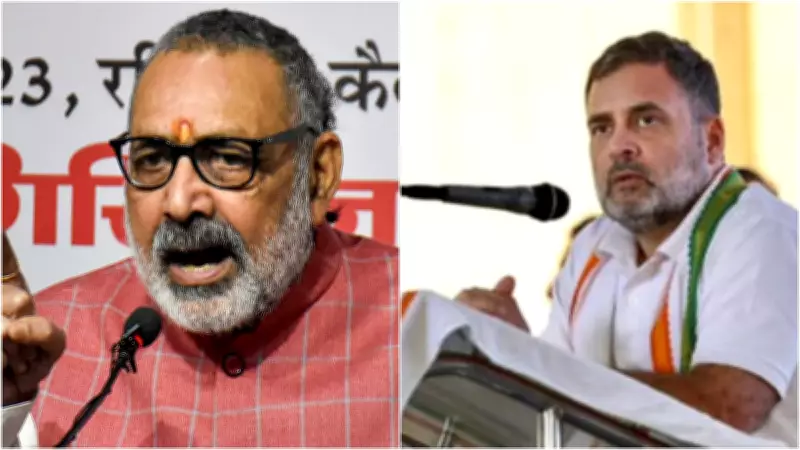
Union Minister Giriraj Singh has ignited a political firestorm with his blistering remarks targeting Congress leader Rahul Gandhi, whom he described in highly inflammatory terms as an 'urban naxal' and the 'clueless last prince of the fake Gandhi family'. The comments, made in the context of parliamentary proceedings, represent a significant escalation in the ongoing political tensions between the ruling BJP and the opposition Congress party.
Singh Criticizes Gandhi's Parliamentary Conduct
In his sharp critique, Singh specifically addressed Gandhi's role as the Leader of Opposition in the Lok Sabha, suggesting that the Congress leader was failing to fulfill his parliamentary responsibilities effectively. 'As the Leader of Opposition, Rahul Gandhi should clearly inform the Lok Sabha whether he wants a discussion or a vote on any particular issue instead of staying away from the proceedings,' Singh asserted, highlighting what he perceives as Gandhi's inconsistent approach to parliamentary duties.
The 'Urban Naxal' Allegation and Its Political Implications
The term 'urban naxal' has become a highly charged political label in recent years, typically used to describe individuals allegedly supporting left-wing extremist ideologies while operating from urban centers. By applying this label to Rahul Gandhi, Singh has introduced a serious allegation that goes beyond routine political criticism and enters the realm of ideological accusation.

This characterization comes at a time when parliamentary proceedings have been marked by frequent disruptions and heated exchanges between the government and opposition parties. Singh's comments appear designed to question not just Gandhi's political competence but also his fundamental ideological alignment with democratic parliamentary processes.
Historical Context of Political Rivalry
The verbal attack must be understood within the broader context of the longstanding political rivalry between the BJP and the Congress party. Giriraj Singh, known for his outspoken and often controversial remarks, has previously targeted the Gandhi family with similar intensity. His description of the Gandhi family as 'fake' represents a continuation of the BJP's broader political narrative questioning the authenticity and legacy of India's most prominent political dynasty.
Rahul Gandhi, who assumed the position of Leader of Opposition following the 2024 general elections, has frequently criticized government policies on various fronts, including economic management, social justice issues, and democratic institutions. The current parliamentary session has seen particularly sharp exchanges on matters ranging from agricultural policies to national security concerns.
Parliamentary Protocol and Opposition Responsibilities
Singh's criticism specifically focuses on parliamentary protocol and the responsibilities of the opposition leader. According to established parliamentary conventions, the Leader of Opposition plays a crucial role in:
- Coordinating opposition strategy on legislative matters
- Ensuring meaningful debate on government policies
- Representing alternative viewpoints during parliamentary proceedings
- Facilitating consensus when possible while maintaining principled opposition when necessary
Singh's remarks suggest he believes Gandhi is not adequately fulfilling these responsibilities, particularly regarding clear communication about opposition intentions regarding discussions versus votes on specific issues.
Political Reactions and Future Implications
The inflammatory language used by the Union Minister is likely to trigger strong reactions from Congress leaders and supporters. Such personal attacks on opposition leaders, particularly those involving ideological labeling, typically lead to:

- Formal protests in Parliament
- Demands for apologies or retractions
- Counter-allegations against BJP leaders
- Potential impact on the functioning of parliamentary committees
As the political temperature rises, observers will be watching how this verbal confrontation affects the already strained relations between the treasury and opposition benches. The incident also raises questions about the tone of political discourse in India's parliamentary democracy and the boundaries of acceptable criticism of opposition leaders.
The development comes at a crucial juncture in India's political calendar, with several important legislative matters pending before Parliament. How this controversy resolves—or escalates—could have significant implications for the functioning of democratic institutions and the quality of political debate in the world's largest democracy.