Ashok Gehlot Denounces Allahabad High Court's FIR Order in Rahul Gandhi Citizenship Case
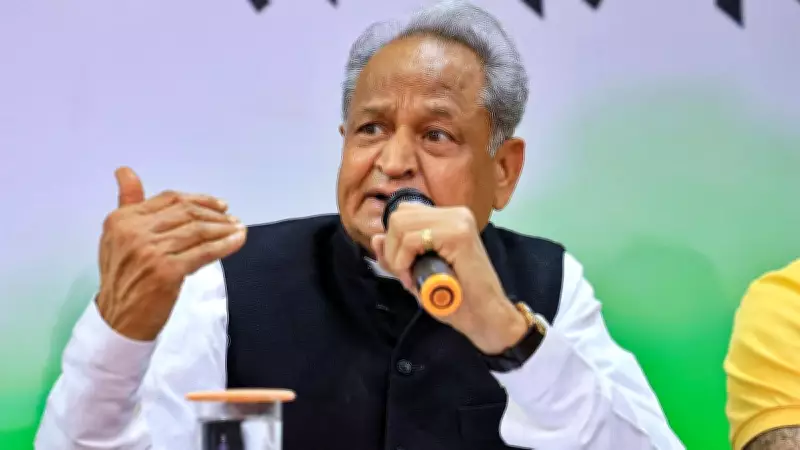
Former Rajasthan Chief Minister Ashok Gehlot has strongly criticized a recent order by the Allahabad High Court, describing it as both surprising and unwarranted. The court directed the filing of a First Information Report (FIR) to investigate allegations of dual citizenship against Congress leader Rahul Gandhi.
Gehlot's Sharp Critique of Judicial Action
In a statement issued on Friday, Gehlot expressed deep concern over the judicial directive. "The Allahabad High Court ordering an FIR to probe into baseless allegations of British citizenship against Rahul Gandhi is surprising and amounts to placing an unnecessary burden on the executive by the judiciary," the senior Congress leader asserted.
Gehlot emphasized that the allegations regarding Gandhi's citizenship status lack substantive evidence and foundation. He argued that such judicial interventions create unnecessary legal complexities and divert attention from more pressing national issues.

Context of the Controversial Citizenship Allegations
The case centers on long-standing claims by certain petitioners that Rahul Gandhi holds British citizenship, which would potentially disqualify him from holding public office in India. These allegations have circulated in political circles for several years, though Gandhi and the Congress party have consistently denied them as politically motivated fabrications.
The Allahabad High Court's order represents a significant development in this protracted legal battle. By mandating an FIR, the court has effectively escalated the matter from civil petitions to potential criminal investigation, raising questions about judicial overreach in political matters.
Political Implications and Broader Concerns
Gehlot's criticism highlights growing tensions between judicial and executive branches regarding their respective roles in politically sensitive cases. The former chief minister suggested that the judiciary should exercise restraint in matters that could be perceived as interfering with democratic processes or targeting opposition leaders.
This development occurs against the backdrop of ongoing political polarization in India, where legal proceedings against opposition figures frequently become contentious political issues. The timing of the court's order, just months after Gandhi's return to Parliament following a Supreme Court stay on his conviction in a defamation case, adds another layer of complexity to the situation.
Legal Experts Weigh In on Judicial Precedent
Constitutional scholars note that while courts have the authority to direct investigations in matters of public interest, such interventions in citizenship disputes involving sitting parliamentarians are relatively rare. The principle of separation of powers suggests that executive agencies typically handle citizenship verification through established administrative procedures.
Some legal analysts suggest the High Court's order might set a concerning precedent if it leads to judicial micromanagement of executive functions. Others argue that courts have a legitimate role in ensuring transparency and accountability when allegations involve constitutional eligibility requirements for elected representatives.
Congress Party's Unified Response
The Congress party has rallied behind Gehlot's position, characterizing the court's order as another attempt to harass their senior leader through legal mechanisms. Party spokespersons have reiterated that Rahul Gandhi is an Indian citizen by birth and has never held any foreign citizenship or travel document.
Congress leaders point to previous court rulings that have dismissed similar citizenship allegations against Gandhi as evidence that the current case lacks merit. They accuse political opponents of weaponizing the judiciary to undermine democratic opposition through protracted legal battles.
Looking Ahead: Potential Legal and Political Ramifications
The Allahabad High Court's order could trigger several developments:

- Formal registration of an FIR by Uttar Pradesh police
- Possible appeals to higher courts challenging the order's validity
- Intensified political debate about judicial independence versus overreach
- Renewed scrutiny of citizenship documentation for all political figures
As the legal process unfolds, this case will likely remain a focal point in India's ongoing discourse about the intersection of law, politics, and democratic institutions. Gehlot's vocal opposition signals that the Congress party intends to challenge both the specific allegations and what they perceive as problematic judicial intervention in political matters.