From Forest Hardship to Stable Future: Arvind Hemla's Transformation
In a powerful testament to redemption and resilience, 22-year-old Arvind Hemla has charted a new course for his life, moving from the shadows of Maoist insurgency in the forests of Bijapur to the promising stability of skilled labor. His journey underscores the impact of government rehabilitation initiatives in reintegrating former extremists into mainstream society.
A Childhood Marred by Loss and Deprivation
Born into a poor rural family in Bijapur district, Chhattisgarh, Arvind's early years were defined by hardship and instability. Tragedy struck early when he lost his father in 2009 and his mother in 2016, leaving him orphaned and vulnerable during his formative years. This profound loss, coupled with pervasive poverty and adverse living conditions, gradually drew him towards Maoist activities in his early teens.
"What began as a forced exposure eventually turned into involvement, disrupting my personal and social life," Arvind recounted, reflecting on his past. He served as a sentry for senior Maoist commanders, a role that filled him with constant fear and uncertainty about his own mortality. "I knew my time would also come to face the bullets," he admitted, highlighting the perilous nature of his former life.

The Turning Point: Surrender and Rehabilitation
In March 2025, a pivotal moment arrived when local villagers contacted Arvind, offering him a way out. He chose to surrender under the Chhattisgarh state government's rehabilitation policy, a decision that marked the beginning of his transformation. Following his surrender, Arvind was admitted to a rehabilitation centre in Bijapur district, part of the Bastar region, where he received structured support and vocational training.
At the centre, he learned masonry and construction work, skills that would become the foundation of his new livelihood. "Over time, however, I realised the path of violence offered only fear, uncertainty and no real future," Arvind explained, emphasizing his motivation to change. The rehabilitation program is designed to help individuals like him leave violence behind and reintegrate into society through practical training and livelihood opportunities.
Building a New Life: Employment and Earnings
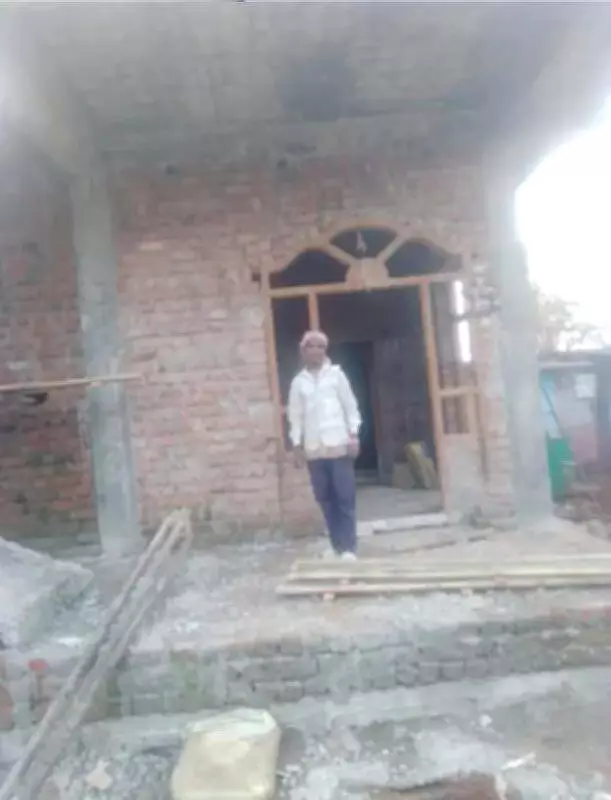
Today, Arvind is employed as a construction worker in Mancherial district, Telangana, where he earns Rs 600 per day. This employment has not only provided him with financial stability but has also facilitated his re-entry into the mainstream, allowing him to rebuild his life in a meaningful way. Officials involved in the rehabilitation process note that such policies are crucial for offering a second chance to those who abandon extremism.
The success of Arvind's story highlights the broader effectiveness of surrender and rehabilitation strategies in conflict-affected regions. By focusing on skill development and job placement, these initiatives address the root causes of recruitment into violent groups, such as poverty and lack of opportunities. Arvind's journey from a life of fear in the forests to one of productivity and hope serves as an inspiring example for others in similar situations, demonstrating that with the right support, transformation is possible.