Election Commission Enforces Strict 48-Hour Dry Day in Two Key States
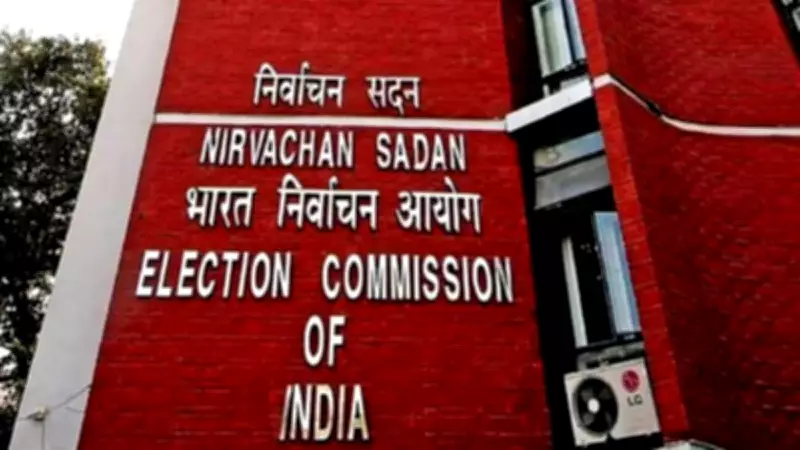
The Election Commission of India (ECI) has taken a decisive step to maintain law and order during the upcoming electoral process by imposing a comprehensive 48-hour dry day in the states of West Bengal and Tamil Nadu. This prohibition on the sale and distribution of liquor is a standard preventive measure aimed at curbing any potential incidents of violence or undue influence that could disrupt the sanctity of the voting process.
Details of the Dry Day Order
According to the official notification released by the Election Commission, the dry period will commence precisely 48 hours before the scheduled conclusion of polling in the affected constituencies. This means that all liquor shops, bars, and other establishments licensed to sell alcoholic beverages will be required to suspend operations entirely during this critical window. The ban is designed to ensure that voters can exercise their franchise in a sober and peaceful environment, free from any intoxicating influences that might compromise the integrity of the elections.
The timing of this dry day is strategically aligned with the polling schedule, reflecting the ECI's commitment to upholding democratic principles. By eliminating access to alcohol in the immediate run-up to and during the voting hours, the commission aims to prevent any alcohol-induced disturbances that could lead to clashes or other unlawful activities at polling stations.

Rationale Behind the Liquor Ban
Historical data and past election experiences have shown that the consumption of alcohol can sometimes be linked to increased instances of voter intimidation, bribery, and physical altercations. The Election Commission, in its role as the guardian of free and fair elections, routinely implements such dry days as a precautionary measure. This move is part of a broader set of guidelines issued by the ECI to all states and union territories, emphasizing the need for strict adherence to the Model Code of Conduct during the electoral period.
In West Bengal and Tamil Nadu, both of which have a history of politically charged atmospheres during elections, this 48-hour ban is expected to play a crucial role in maintaining public order. State authorities, including the police and excise departments, have been directed to ensure full compliance with the order. Any violations will be met with stringent legal action, including possible fines and the suspension of licenses for errant establishments.
Impact and Enforcement Measures
The enforcement of the dry day will involve coordinated efforts between multiple agencies. Key steps include:
- Regular inspections of liquor outlets to verify closure.
- Increased patrolling in sensitive areas to deter illegal sales.
- Public awareness campaigns to inform citizens about the ban and its duration.
Additionally, the Election Commission has urged political parties and candidates to cooperate by refraining from any activities that might involve the distribution of alcohol to voters. This is in line with the ECI's zero-tolerance policy towards practices that could unduly influence electoral outcomes.
As the polling dates approach, the implementation of this 48-hour dry day in West Bengal and Tamil Nadu underscores the Election Commission's proactive approach to safeguarding the electoral process. It serves as a reminder of the importance of conducting elections in a manner that is both transparent and peaceful, ensuring that every vote is cast without fear or favor.