Election Commission Orders Major Bureaucratic Reshuffle in West Bengal
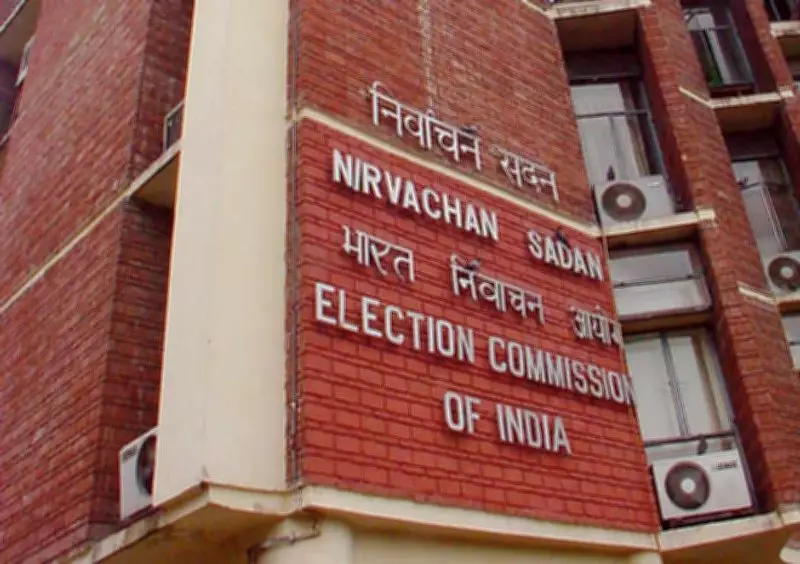
In a significant move just hours after announcing the schedule for the West Bengal Assembly elections, the Election Commission of India has removed two top bureaucrats from the Mamata Banerjee-led administration. The decision, aimed at ensuring a fair electoral process, has sent ripples through the state's political and administrative circles.
Unprecedented Administrative Changes
The poll panel directed the removal of Chief Secretary Nandini Chakravorty and Home Secretary Jagdish Prasad Meena from their positions. In their place, the Commission appointed Dushyant Nariala, a 1993-batch IAS officer, as the new Chief Secretary of West Bengal. Additionally, Sanghamitra Ghosh, a 1997-batch IAS officer, has been appointed as the Principal Secretary for Home and Hill Affairs.
According to a communication signed by Commission Secretary Sujeet Kr Mishra, the transferred officers are barred from any election-related assignments until the completion of the polls. The directive mandates immediate implementation, with a report on the new officers assuming their roles required by 3 pm on Monday.

Background and Rationale
The Election Commission stated that this reshuffle followed a comprehensive review of the state's poll preparedness. This action is seen as unprecedented in West Bengal's recent administrative history and comes amidst ongoing criticism from the Trinamool Congress (TMC), led by Chief Minister Mamata Banerjee, regarding the Systematic Voters' Education and Electoral Participation (SIR) exercise.
Political analysts suggest that the move is designed to uphold administrative impartiality during the crucial election period. The Assembly polls in West Bengal are scheduled to be held in two phases on April 23 and 29, with vote counting set for May 4.
Implications for the Electoral Process
This bureaucratic overhaul underscores the Election Commission's commitment to conducting free and fair elections. By replacing key officials, the Commission aims to mitigate potential biases and ensure that the electoral machinery operates without undue influence.
The swift enforcement of these changes highlights the urgency with which the poll body is addressing concerns over election integrity. As the state gears up for the polls, all eyes will be on how these administrative adjustments impact the overall conduct of the elections.