Government Achieves Introduction of Delimitation Bill in Lok Sabha
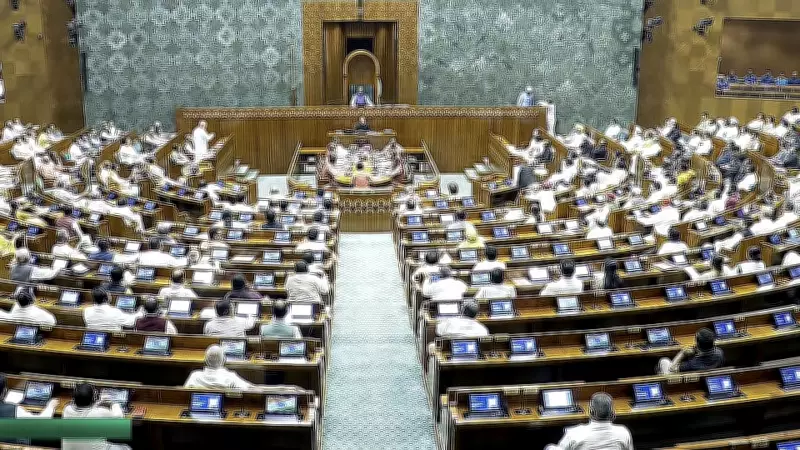
The Indian government successfully navigated the initial legislative hurdle for the contentious delimitation bill, securing its introduction in the Lok Sabha with a vote count of 251. This development marks a critical step forward in the parliamentary process, though significant challenges lie ahead for its final enactment.
Vote Count and Majority Requirements
At the introduction stage, the bill required only a simple majority, which the government comfortably achieved with 251 votes. This procedural threshold is lower than the stringent two-thirds majority mandated for the bill's eventual passage. The distinction between these requirements highlights the strategic parliamentary maneuvering involved in advancing such significant legislation.
The government's ability to muster these numbers underscores its current parliamentary strength, but it also sets the stage for a more intense debate and voting process in the subsequent stages. Political analysts note that while introduction is a procedural victory, the real test will come when the bill faces the higher bar of a two-thirds majority for approval.

Opposition's Potential Impact on Women's Quota
Opposition parties, though unable to block the bill's introduction, hold sufficient numbers to potentially influence its fate, particularly concerning the implementation of the 33 per cent women's reservation quota. This quota is a key component of the delimitation process, aimed at enhancing gender representation in legislative bodies.
Experts suggest that the opposition's voting bloc could become a decisive factor in the passage stage, where the two-thirds majority requirement makes consensus or broad support essential. The women's quota provision, in particular, has been a point of contention, with some opposition members expressing concerns over its implementation mechanisms and timing.
Parliamentary Dynamics and Future Steps
The delimitation bill's journey through Parliament is being closely watched, as it involves redrawing electoral constituencies based on the latest census data. This process has implications for political representation and power distribution across states and union territories.
Key aspects of the bill include:- Adjustment of Lok Sabha and state assembly seats to reflect population changes.
- Incorporation of the 33 per cent women's reservation in these constituencies.
- Procedural requirements for passage, including the need for a two-thirds majority in both houses of Parliament.
As the bill moves to the next stages, including committee scrutiny and further debates, the government will need to address opposition concerns to secure the necessary supermajority. The outcome could shape electoral politics and gender representation in India for years to come, making this a landmark legislative effort in the current parliamentary session.