

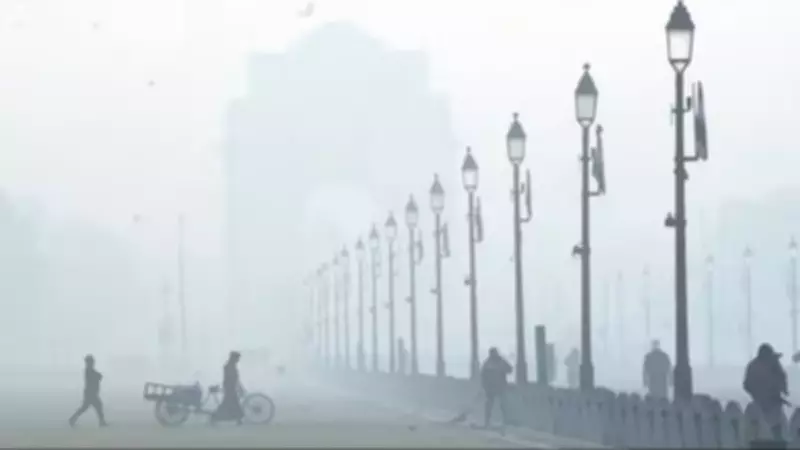
Dense Fog Engulfs Delhi-NCR, Causing Major Travel Disruptions
Delhi and the National Capital Region (NCR) woke up to a thick blanket of dense fog on Monday, severely impacting transportation services and daily life. The low visibility conditions have led to significant delays in both air and rail travel, with authorities scrambling to manage the situation.
Flight Services Severely Affected
Flight operations at Delhi's Indira Gandhi International Airport have been hit hard by the foggy conditions. Several flights have been delayed or diverted, causing inconvenience to passengers. Airport officials have advised travelers to check with their airlines for real-time updates before heading to the airport. The dense fog has reduced visibility to near-zero levels at times, making it challenging for pilots to navigate safely.
Over 60 Trains Running Late
Railway services have also borne the brunt of the weather disruption. More than 60 trains are reported to be running late due to the fog, affecting thousands of commuters across the region. The Indian Railways has issued advisories urging passengers to monitor train statuses through official channels. The delays are expected to persist until visibility improves, with some long-distance trains facing extended hold-ups.

Low Visibility Poses Safety Risks
The dense fog has not only disrupted travel but also raised safety concerns on roads and highways. Motorists are advised to drive with caution, use fog lights, and avoid unnecessary travel during early morning and late evening hours. The India Meteorological Department (IMD) has issued warnings for continued low visibility in the coming days, attributing the fog to calm winds and high moisture levels in the atmosphere.
Latest Updates and Precautions
Authorities are closely monitoring the situation and providing regular updates through official platforms. Commuters are encouraged to stay informed about weather forecasts and travel advisories. As the fog persists, residents are also advised to take health precautions, such as wearing masks outdoors, to mitigate the effects of poor air quality often associated with such conditions.






