

Congress Launches Scathing Attack on Government Over Trade Agreements with US and EU
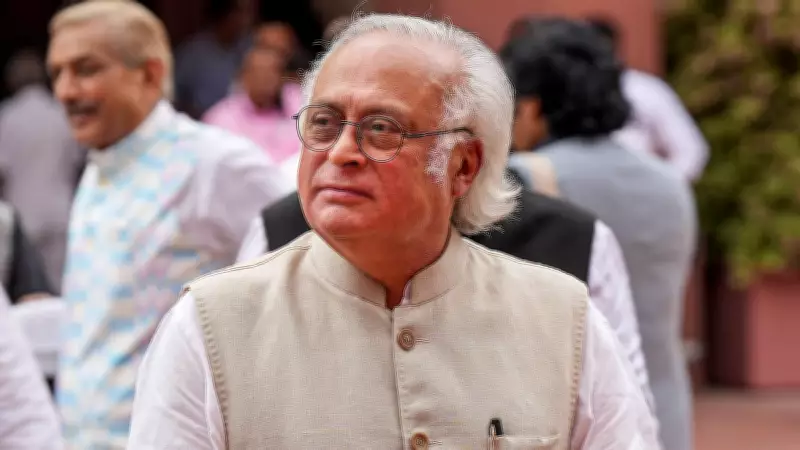
The Indian National Congress has launched a fierce political offensive against the Narendra Modi-led government, accusing it of complete surrender in trade negotiations with the United States under former President Donald Trump. Senior Congress leader and Member of Parliament Jairam Ramesh has spearheaded the criticism, demanding immediate parliamentary scrutiny of the recently concluded trade agreements.
Allegations of Diplomatic Capitulation
In a strongly worded statement, Ramesh asserted that Prime Minister Narendra Modi has completely surrendered to appease Donald Trump during bilateral trade discussions. The Congress party claims this alleged capitulation has compromised India's economic interests and sovereignty in international trade matters.
The political controversy has erupted at a crucial time when Parliament is actively in session, providing the opposition with a platform to challenge the government's foreign trade policies. Ramesh emphasized that the timing demands immediate transparency and accountability from the ruling administration.

Demand for Parliamentary Transparency
The Congress leader has put forth a specific demand regarding the trade agreements with both the European Union and the United States. Ramesh insisted that the complete text of both trade deals must be formally laid on the table of both Houses of Parliament for comprehensive examination and debate.
This parliamentary procedure would allow for:
- Detailed scrutiny of all clauses and provisions in the agreements
- Thorough discussion about potential impacts on Indian industries and economy
- Assessment of whether national interests have been adequately protected
- Opportunity for opposition parties to raise concerns and suggest amendments
Strategic Timing of Political Challenge
The Congress party's aggressive stance comes during an active parliamentary session, strategically positioning the trade debate as a matter of urgent national importance. Ramesh highlighted that Parliament being in session creates the perfect constitutional framework for such crucial discussions about international agreements that could significantly affect India's economic future.
The opposition's move represents a calculated political strategy to:
- Force the government to defend its trade negotiation strategies publicly
- Highlight potential concessions made during international discussions
- Mobilize public opinion around economic sovereignty concerns
- Establish Congress as the vigilant opposition protecting national interests
Broader Implications for India-US Relations
This political confrontation occurs against the backdrop of evolving India-United States relations, which have seen significant diplomatic engagement during both the Trump and subsequent administrations. The Congress party's allegations suggest deeper concerns about the balance of power in bilateral negotiations and whether India has maintained adequate leverage in trade discussions with global economic powers.
The demand for parliamentary debate extends beyond mere political posturing, representing a constitutional approach to ensuring democratic oversight of international agreements that could have far-reaching consequences for India's economic policies, domestic industries, and strategic positioning in global trade networks.






