

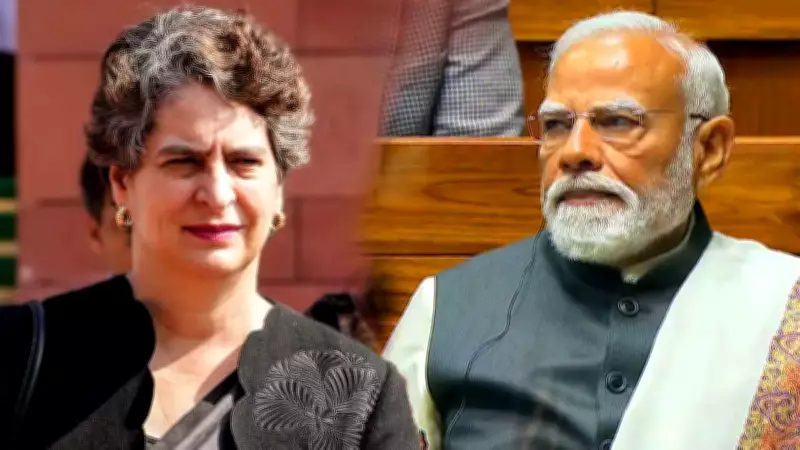
Congress Launches Scathing Attack on PM Modi Over Cancelled Lok Sabha Address
In a sharp political confrontation, Congress leader Priyanka Gandhi Vadra has accused Prime Minister Narendra Modi of "hiding behind the Speaker" after Lok Sabha Speaker Om Birla revealed he advised the PM to skip his scheduled parliamentary address on February 4. The controversy erupted following the cancellation of Modi's reply to the Motion of Thanks on the President's Address, which was called off amid heated protests by opposition members in the House.
Speaker's Revelation Sparks Political Firestorm
Speaker Om Birla disclosed that he personally counseled Prime Minister Modi to abstain from attending the Lok Sabha session due to what he described as "unexpected" and "unprecedented" conduct by Congress MPs. Birla stated he witnessed the developments firsthand and expressed gratitude to the Prime Minister for staying away, asserting this decision prevented potentially unpleasant scenes in the parliamentary chamber.
The Speaker emphasized the importance of maintaining parliamentary decorum and traditions, making a fervent appeal to all members to uphold the dignity of the House. His remarks came after opposition leaders, including women MPs, gathered near the Prime Minister's chair holding posters during what was supposed to be Modi's address, creating a tense atmosphere in the Lok Sabha.

Congress Leaders Dismiss Security Concerns, Accuse Government of Avoidance
Congress spokesperson Pawan Khera categorically dismissed the security concerns raised by the government, stating that women MPs were merely exercising their right to peaceful protest within parliamentary norms. He challenged the characterization of their actions as threatening or disruptive, framing the protest as legitimate democratic expression.
Priyanka Gandhi Vadra escalated the criticism, alleging that the government was deliberately avoiding substantive discussion on crucial issues by using the Speaker's advice as a shield. "Instead of facing Parliament and addressing the concerns of the people, the Prime Minister is choosing to hide behind procedural excuses," she asserted, framing the incident as symptomatic of the government's reluctance to engage with opposition viewpoints.
Broader Implications for Parliamentary Functioning
This incident highlights growing tensions in India's parliamentary democracy, raising questions about:
- The balance between security concerns and parliamentary accessibility
- The appropriate boundaries of protest within legislative chambers
- The Speaker's role in mediating between government and opposition
- The impact of such confrontations on substantive legislative work
The cancellation of the Prime Minister's address represents a significant disruption in parliamentary proceedings, coming during the important debate on the President's Address which outlines the government's policy agenda. Both sides have dug in their positions, with the government emphasizing the need for order and the opposition accusing the ruling party of avoiding accountability.
As the political rhetoric intensifies, the episode underscores the challenges facing India's parliamentary institutions in maintaining both security and democratic expression, with implications for future sessions and the overall health of legislative debate in the world's largest democracy.






