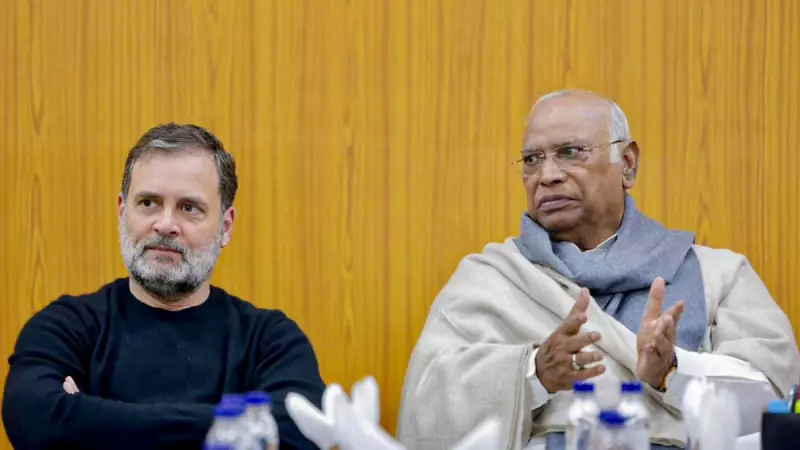
In a significant move to revitalize its party structure, the Indian National Congress has embarked on a major organizational overhaul, appointing a total of 525 district presidents across 14 states. This strategic initiative is part of the party's broader efforts to strengthen its grassroots leadership and enhance its electoral preparedness for future political challenges.
Accelerated Restructuring Efforts
The Congress party has fast-tracked its organizational revamp, signaling a proactive approach to address internal dynamics and external competition. By appointing these district chiefs, the party aims to decentralize decision-making and empower local leaders, fostering a more responsive and agile political machinery. This move comes at a crucial time as the political landscape in India continues to evolve, with parties vying for dominance in key regions.
Geographical Spread and Impact
The appointments span 14 states, reflecting a nationwide effort to bolster the party's presence from the ground up. This geographical diversity underscores the Congress's commitment to building a robust network of leaders who can effectively mobilize support and address regional issues. The selection of district presidents is expected to inject fresh energy into the party's ranks, potentially improving its performance in upcoming state and national elections.

Strategic Implications for Future Elections
By strengthening its organizational framework, the Congress party is positioning itself to better contest elections and connect with voters at the grassroots level. The appointment of 525 district chiefs is seen as a step towards creating a more cohesive and disciplined party structure, which could enhance its ability to launch coordinated campaigns and respond swiftly to political developments. This overhaul may also help the party in countering rivals and reclaiming lost ground in various states.
Challenges and Opportunities
While this organizational revamp presents opportunities for renewal, it also brings challenges, such as ensuring smooth integration of new leaders and maintaining party unity. The Congress will need to navigate these complexities to maximize the benefits of its restructuring efforts. Observers note that the success of this initiative will depend on how effectively the newly appointed district chiefs can galvanize support and drive the party's agenda forward.
Overall, the Congress's fast-tracking of organizational changes marks a pivotal moment in its political strategy, with the potential to reshape its trajectory in Indian politics. As the party continues to adapt to changing dynamics, these appointments could play a critical role in determining its future electoral fortunes and influence.