Civil Lines May Be Renamed as India Moves to Shed Colonial Legacy
The concept and nomenclature of Civil Lines, residential areas established by the British and long associated with their proximity to administrative power, may soon fade into history. As the Centre intensifies its efforts to replace remnants of colonial-era laws and practices with alternatives that are of Indian origin and reflect the country's culture, the framework 'Civil Lines' has been identified as one such legacy for review.
Extensive Exercise to Identify Colonial Vestiges
An extensive exercise is being undertaken to identify vestiges of British rule, aimed at decolonising mindset and embracing indigenous identity. Prime Minister Narendra Modi, in January, had asked ministers and top bureaucrats to identify colonial-era practices and suggest alternatives that have Indian roots. This initiative is part of a broader push to move away from symbols of colonial subjugation and foster a sense of national pride.
Historical Significance of Civil Lines
Originally developed in the 19th century, Civil Lines were planned as exclusive enclaves with better infrastructure, which signified power and proximity to colonial masters. These were built specifically to house senior colonial civilian officials. Civil Lines exist in Delhi and several cities across states such as Uttar Pradesh, Rajasthan, Haryana, Punjab, Madhya Pradesh, Bihar, and Maharashtra. For a long time, these areas remained distinct from other parts of old cities or bazaars, often characterized by spacious bungalows and orderly layouts.

The development of Civil Lines was a part of planned urban development. On one side of the city, there was the cantonment board, and on the other, Civil Lines. This is how many cities in India have developed historically, according to an urban planner and architect who has extensively studied British-period planning and architecture.
Transformation Over the Years
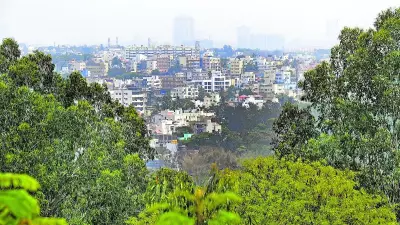
Former DDA commissioner (planning) A K Jain noted that Civil Lines across the country have been completely transformed over the decades. In place of bungalows, now you have multi-storeyed buildings; population has increased manifold and these have become part of main cities. So, changing names hardly has any significance, he remarked. This highlights how these areas have evolved from exclusive colonial enclaves into integrated urban spaces.
During the colonial era, about 75 cantonments were developed in India. Civil Lines were the civilian counterpart of these military enclaves, serving as hubs for administrative and residential purposes for British officials.
Recent Renaming Efforts
In the past decade, the government has renamed certain key roads and offices whose original names were iconic to the British era. Some notable examples include changing the name of Race Course Road in Delhi to Lok Kalyan Marg, among others. This trend is part of a larger movement to reclaim Indian identity and heritage, moving away from colonial symbolism.
The potential renaming of Civil Lines is seen as a symbolic step in this ongoing process, aiming to reflect India's rich cultural heritage and independence from colonial influences. As the review progresses, it remains to be seen what new names might emerge for these historically significant areas.