

How Is Indian Citizenship Determined?
Citizenship is a legal status bestowed by the state, conferring specific rights upon an individual, such as the right to vote. India does not possess a universal citizenship document. Instead, various laws and amendments define who qualifies as an Indian citizen and what documents serve as proof.
Is a Passport Proof of Indian Citizenship?
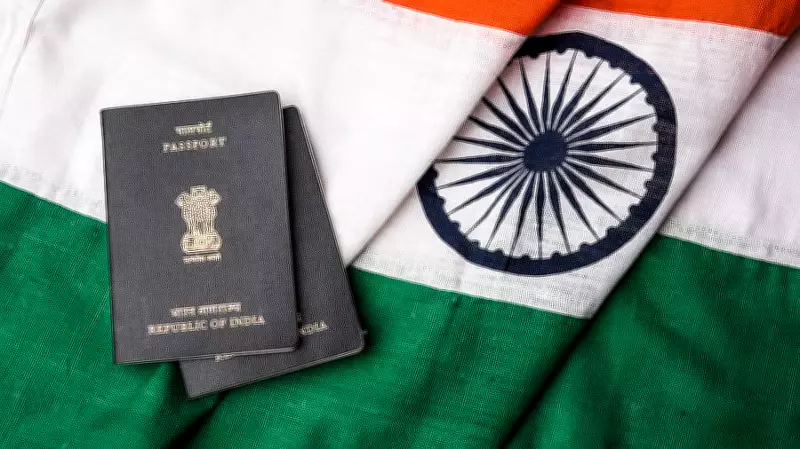
A passport is not definitive proof of Indian citizenship. While it is issued to citizens, it can also be held by non-citizen residents in certain circumstances. The government relies on multiple documents to establish citizenship status.
What Is Citizenship by Birth?
Citizenship by birth is governed by the Citizenship Act, 1955. Under the original act, anyone born in India on or after January 26, 1950, was automatically a citizen. However, amendments in 1987, 2003, and 2005 introduced restrictions. The 1987 amendment required that at least one parent be a citizen of India at the time of the child's birth for those born between July 1, 1987, and December 3, 2004. For births on or after December 4, 2004, both parents must be citizens, or one parent must be a citizen and the other not an illegal migrant.

What Were the 2003 Amendments to the Citizenship Act?
The Citizenship (Amendment) Act, 2003 introduced the concept of illegal migrants and made registration mandatory for overseas citizens. It also clarified that children born to diplomats or enemy aliens do not acquire citizenship by birth. Additionally, the 2003 amendment mandated that persons born in India after its commencement must have at least one parent who is a citizen of India to claim citizenship by birth.
What Is Citizenship by Descent?
Citizenship by descent applies to persons born outside India on or after January 26, 1950. Originally, a child born abroad could register as a citizen if the father was a citizen at the time of birth. The 1992 amendment allowed mothers to also transmit citizenship. Since December 3, 2004, births abroad must be registered within one year with the Indian consulate, and the parent must declare that the child does not hold a foreign passport.
What Are Other Ways to Acquire Indian Citizenship?
Indian citizenship can be acquired through registration, naturalization, or incorporation of territory. Registration is available for persons of Indian origin residing in India for seven years, or those married to an Indian citizen. Naturalization requires residency for 12 years (with some exceptions) and knowledge of an Indian language. Incorporation of territory applies when a new territory becomes part of India, such as Goa in 1961.
Does India Issue Any Identity Proof to Its Citizens?
India does not issue a single universal identity document for citizenship. The Aadhaar card, issued by the Unique Identification Authority of India, serves as a biometric-based identity proof but is not a citizenship document. The passport, voter ID card, and certificate of registration or naturalization are commonly used to establish citizenship. According to the Ministry of Home Affairs, the onus of proving citizenship lies on the individual, and no single document is conclusive.






