Chidambaram Sounds Alarm Over Delimitation's Impact on Southern States
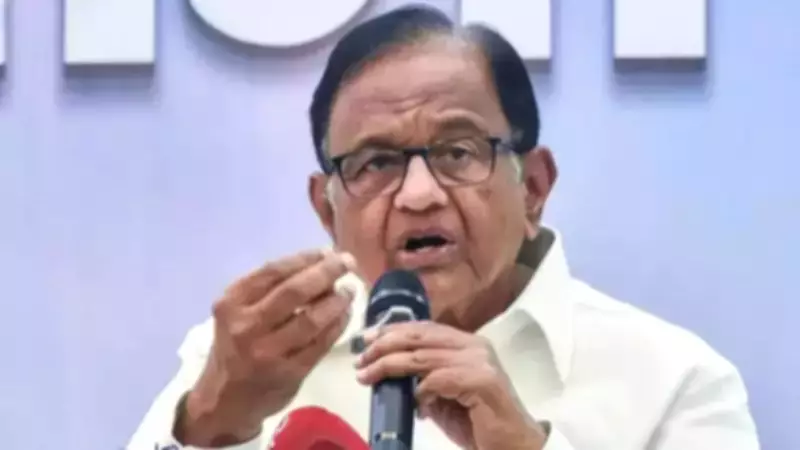
Former Union Minister P Chidambaram has issued a stark warning about the upcoming delimitation exercise, labeling it a "mischievous, diabolical move" that threatens to radically alter India's federal structure. In a detailed post on social media platform X, the senior Congress leader highlighted how southern states stand to lose significant parliamentary representation while northern states gain substantially.
Southern States Face Representation Decline
Chidambaram presented specific calculations showing how the delimitation process will disproportionately affect southern regions. "When the strength of the Lok Sabha is increased by 50% from 543 to 815, the strength of Tamil Nadu will seemingly increase from 39 to 58," he explained. "But this is an illusion. When delimitation takes place, it will reduce to 46."
The former finance minister emphasized that all southern states currently enjoy 24.3% representation in the Lok Sabha, but this will plummet to just 20.7% after delimitation. This represents a significant reduction in political voice for states that have historically contributed substantially to India's economic growth and development.

Northern States Set for Substantial Gains
In stark contrast, Chidambaram pointed out that Uttar Pradesh's parliamentary strength will first increase from 80 to 120 seats with the Lok Sabha expansion, and then further rise to approximately 140 seats after delimitation. This dramatic shift represents a fundamental rebalancing of political power toward northern states at the expense of their southern counterparts.
The veteran politician recalled his earlier warnings about delimitation, noting that the apprehensions he voiced last week have now been confirmed by the emerging details of the exercise. "This must be opposed," Chidambaram declared emphatically, calling for resistance against what he perceives as an unfair redistribution of parliamentary seats.
Federal Balance Under Threat
Chidambaram's critique centers on the broader implications for India's federal system. By significantly altering the representation balance between northern and southern states, the delimitation exercise could undermine the cooperative federalism that has been a cornerstone of India's democratic structure.
The former minister's analysis suggests that states with better population control and development indicators are being penalized, while states with higher population growth rates stand to gain disproportionate political power. This creates what Chidambaram describes as a "radical alteration" of the federal balance that could have far-reaching consequences for national policy-making and resource allocation.
As the delimitation debate intensifies, Chidambaram's warnings highlight growing concerns about regional representation and the need for a fair, balanced approach to parliamentary seat distribution that respects both demographic realities and developmental achievements across India's diverse states.