Chhattisgarh Deputy CM Vijay Sharma Outlines Security Roadmap for Bastar Region
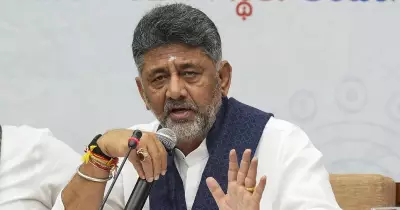
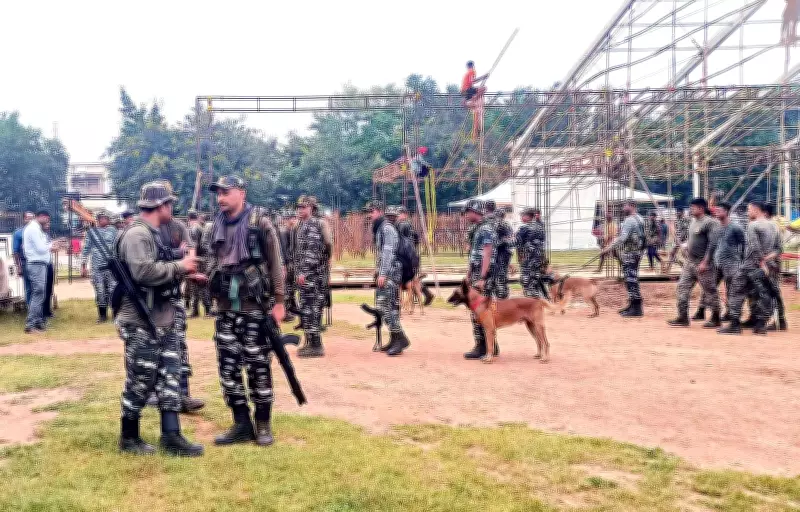
In a significant development, Chhattisgarh Home Minister and Deputy Chief Minister Vijay Sharma declared on Tuesday that the majority of central paramilitary forces deployed in the Bastar region could initiate their withdrawal by March 31, 2027. This timeline is set one year after the state's publicly declared objective of eradicating armed Naxalism by March 31, 2026.
Focus on 2026 Deadline and Security Progress
Vijay Sharma emphasized the state's current priority, stating, "We are presently focused on the March 31, 2026 deadline. The Union home minister has also indicated that by March 31, 2027, central armed forces will start returning from Chhattisgarh. By then, we must make complete arrangements." This statement, made during an interview, represents one of his most explicit articulations of the security roadmap to date.
Sharma highlighted that the Maoist insurgency in Bastar has been substantially weakened, with most area committees now inactive. "There were 30 Maoist area committees. Of them, 26 are now dormant. The remaining four are in south and west Bastar, and they too will be eliminated," he asserted, underscoring the government's confidence in its counter-insurgency efforts.

Shift in Strategy and Current Maoist Status
The Home Minister revealed that security agencies continue to track senior Maoist leader Papa Rao, but he clarified that the broader goal is to ensure the area is free from armed insurgent control, regardless of immediate captures of individual leaders. "Whether he comes or not, the area should be free," Sharma remarked, indicating a strategic shift from targeting symbolic figures to establishing lasting territorial dominance.
He further claimed that the number of remaining Maoists in the forests is now minimal, with their operational status unclear. "Around 50 to 60 Maoists may still be in the forests. We are not even sure how many remain armed. Many have discarded uniforms, buried weapons, and are living in villages like civilians," Sharma explained, suggesting a breakdown in the insurgent structure.
Assembly Debate on Financial Liabilities
Earlier in the assembly session, Sharma faced pointed questions from Leader of Opposition Charandas Mahant regarding reports that the Centre had requested Rs 21,530 crore from Chhattisgarh for expenditures related to the deployment of central paramilitary forces. Mahant demanded a detailed breakdown and clarification on the budget head for such a substantial liability.
In response, Sharma stated that the matter is in the final stages of settlement, with the ultimate decision resting with the Chief Minister and Finance Minister. He maintained that this payment would not impose a major financial burden on the state's economy.
Political Reactions and Rehabilitation Plans
Former Chief Minister Bhupesh Baghel referenced the repeatedly cited March 31 deadline, noting that only a few days remain and proposing that, if the target is achieved, a special assembly session should be convened to mark the end of Naxalism in Chhattisgarh. Simultaneously, Baghel cautioned that any post-conflict transition in Bastar must primarily benefit local communities.
During the budget discussion, Sharma outlined the government's security and rehabilitation initiatives, revealing that Rs 38 crore has been allocated for fixed deposits and skill training of surrendered Left Wing Extremists under the central rehabilitation policy. This allocation aims to support reintegration and reduce the risk of recidivism.
The announcements and debates underscore Chhattisgarh's concerted efforts to address Naxalism through a combination of security measures, financial planning, and rehabilitation strategies, with a clear timeline set for the phased withdrawal of central forces by 2027.