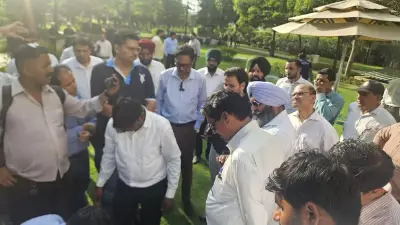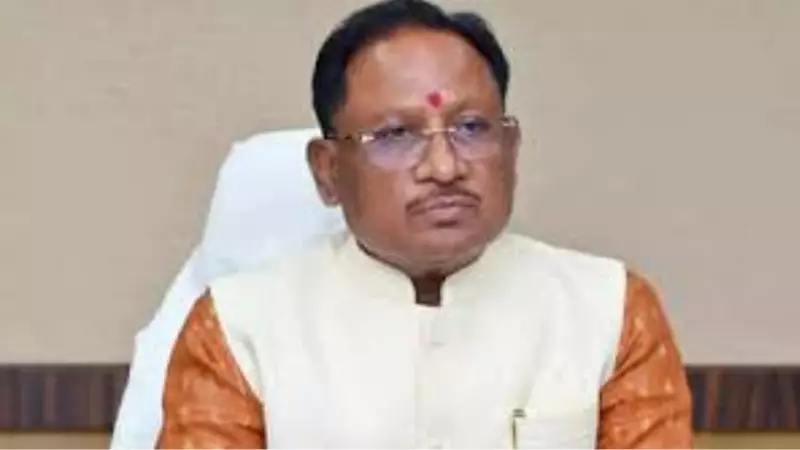
The Chhattisgarh government has firmly denied any direct connection between the deaths of two mid-day meal cooks and the ongoing indefinite strike by workers, dismissing allegations from unions as misleading. This controversy emerges as cooks under the PM Poshan scheme continue their agitation, demanding a substantial increase in their monthly honorarium.
Union Allegations of Protest-Related Deaths
According to the Chhattisgarh School Mid-Day Meal Cooks' Union, two women cooks participating in the protest died due to deteriorating health conditions during the agitation. Union leader Ramraj provided detailed accounts of both cases, highlighting the challenging circumstances faced by protesters.
First Cook: Dulari Yadav
Dulari Yadav, posted at a government primary school in Saldha village of Berla block in Bemetara district, had been actively participating in the protest at Nava Raipur since December 29, 2025. Union representatives claim her health worsened significantly due to prolonged exposure to cold weather at the protest venue. After being hospitalized, she returned to her home district where she ultimately passed away on January 26.

Second Cook: Rukmani Sinha
Rukmani Sinha, hailing from Kusumkasa village in Dondi block of Balod district, left the protest site on January 25 after her condition deteriorated. She was referred to a private hospital where she died while the agitation continued. In a video message, union leader Ramraj emphasized that despite weeks of protest, the government has failed to address long-pending demands, forcing cooks—predominantly women from economically vulnerable backgrounds—to continue their sit-in under difficult and unhygienic conditions.
Government's Detailed Clarification
The Directorate of Public Instruction issued a comprehensive statement late Tuesday, categorically rejecting claims that the deaths were linked to the protest at Tuta Dharna Sthal in Nava Raipur. According to official sources, representatives of the striking cooks had engaged in discussions with both DPI officials and the school education department secretary.
Government's Offer and Response
During these discussions, the government conveyed its decision to increase the cooks' honorarium by 25%, amounting to a ₹500 monthly hike. Authorities appealed to protesters to call off the strike and return home. Despite this offer, some workers chose to continue their agitation, according to department statements.
Official Account of Deaths
The DPI provided alternative explanations for both deaths. According to their investigation, the cook from Balod district attended the protest only on January 20 and 21 before returning home. She was later admitted to a government hospital in Dalli Rajhara where she died during treatment. The second cook was already suffering from a serious illness and had been undergoing treatment at a private hospital in Bhilai, where she ultimately passed away.
The deaths of the two cooks have no direct connection with the protest or the strike, the DPI stated emphatically in their official clarification.
Broader Context of the Agitation
The indefinite strike, launched in late December, highlights growing discontent among mid-day meal cooks across Chhattisgarh. These workers argue that stagnant wages and rising living costs have made it increasingly difficult to sustain their families, despite their crucial role in implementing one of India's largest school nutrition programs.
Union leaders have warned that the agitation will intensify if their demands are not met satisfactorily. The situation remains tense as both sides maintain their positions, with workers continuing their protest despite government assurances of honorarium increases.