

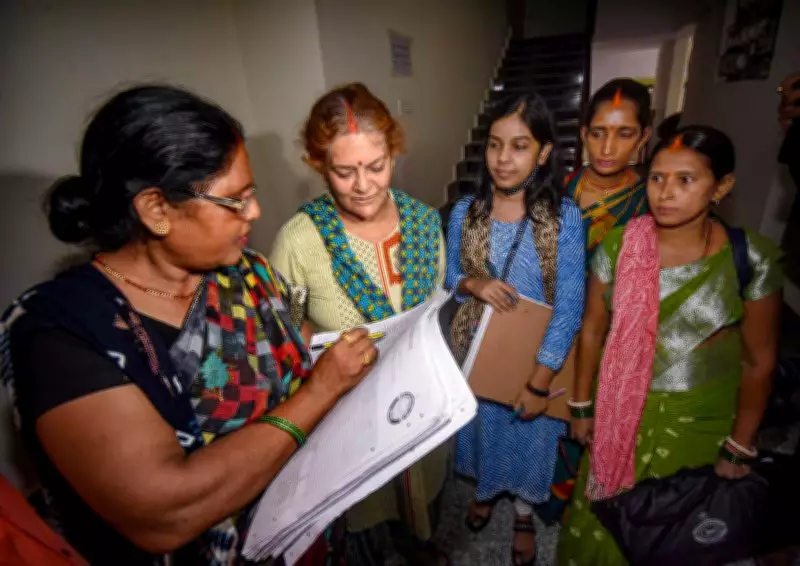
Caste Census: Historical Context, Political Dynamics, and Modern Relevance
The caste census stands as a pivotal issue in India's socio-political landscape, intertwining historical legacies with contemporary debates on equity and representation. This comprehensive analysis delves into its origins, the political maneuvers shaping its trajectory, and its profound implications for modern governance and social justice.
Historical Foundations of Caste Enumeration
The practice of enumerating castes has deep roots in colonial administration. During British India, census exercises conducted between 1881 and 1931 systematically documented all castes, creating detailed demographic records that influenced administrative policies and social stratification. This colonial-era data collection was instrumental in shaping early understandings of India's complex social hierarchy, often reinforcing caste identities for governance purposes.
However, a significant shift occurred with India's independence. In the first census of independent India in 1951, the government made a landmark decision to discontinue the enumeration of all castes. Instead, the focus narrowed exclusively to Scheduled Castes and Scheduled Tribes, groups recognized under constitutional provisions for affirmative action and protection. This move reflected post-independence ideals of moving beyond caste divisions while addressing historical injustices through targeted policies.

Political Debates and Contemporary Significance
The caste census has evolved into a highly charged political issue, with debates centering on representation, resource allocation, and social justice. Proponents argue that comprehensive caste data is essential for designing effective affirmative action policies, ensuring equitable distribution of benefits, and addressing systemic inequalities. They contend that without accurate demographic information, policies may fail to reach the most marginalized communities, perpetuating historical disadvantages.
Opponents, however, raise concerns about reinforcing caste identities, potential social fragmentation, and the administrative challenges of such an extensive enumeration. The political landscape sees varied stances across parties, often influenced by electoral calculations and regional dynamics. Recent discussions have revived calls for a nationwide caste census, highlighting its relevance in contemporary policy-making, particularly for welfare schemes, educational quotas, and political representation.
Modern Implementation and Future Implications
Looking ahead, the caste census holds critical importance for India's developmental trajectory. Accurate data can inform evidence-based policies on healthcare, education, employment, and poverty alleviation, tailored to the specific needs of different caste groups. It also plays a role in monitoring the effectiveness of existing affirmative action programs and identifying emerging social trends.
As India navigates its path toward inclusive growth, the caste census remains a tool for both understanding social realities and fostering dialogue on equality. Its outcomes could reshape political alliances, influence legislative reforms, and impact the daily lives of millions, making it a cornerstone of discussions on democracy and justice in the 21st century.






