BJP Leader Virendra Sachdeva Launches Scathing Attack on AAP's 11-Year Delhi Rule
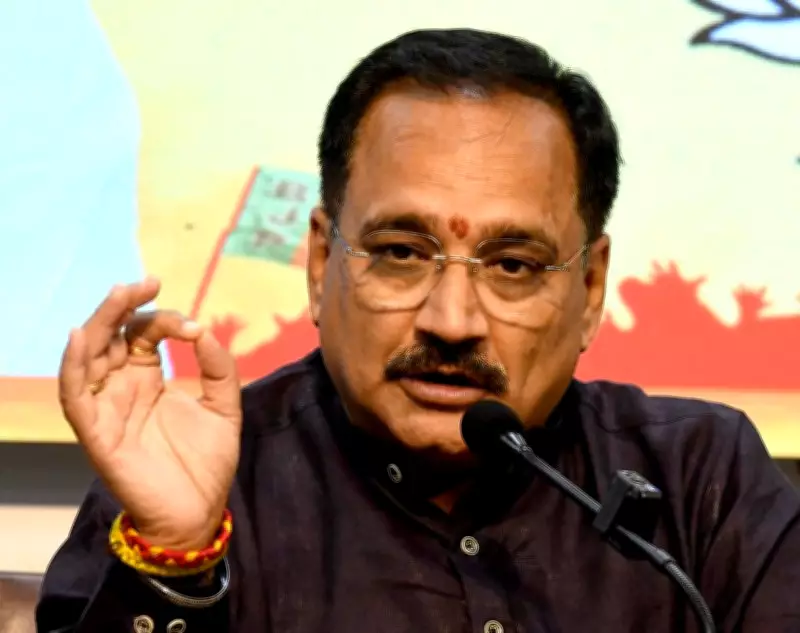
Delhi Bharatiya Janata Party (BJP) chief Virendra Sachdeva has unleashed a fierce critique against the Aam Aadmi Party (AAP), alleging that the ruling party has "delivered nothing" during its 11-year tenure in the national capital. In a recent statement, Sachdeva highlighted what he described as systemic failures across key public services, sparking a heated political debate ahead of upcoming elections.
Core Allegations: Water, Power, and Corruption Woes
Sachdeva pointed to persistent issues in Delhi's water supply and electricity sectors, claiming that AAP has consistently fallen short on its promises to residents. He argued that despite being in power for over a decade, the party has not effectively addressed chronic problems such as water shortages in summer months and unreliable power infrastructure. Additionally, the BJP leader accused AAP of rampant corruption, suggesting that financial mismanagement has hindered progress and eroded public trust.
AAP's Defense and Counterclaims
In response, AAP representatives have defended their governance record, citing achievements like the expansion of healthcare facilities and improvements in education through initiatives such as the Delhi model of schools. They argue that Sachdeva's comments are politically motivated and aimed at undermining their credibility. AAP leaders also countered by accusing the BJP of obstructing development projects and failing to support state-level efforts due to political rivalry.

Political Context and Electoral Implications
This exchange occurs against the backdrop of heightened political tensions in Delhi, with both parties gearing up for future electoral battles. Sachdeva's remarks are seen as part of a broader BJP strategy to challenge AAP's dominance in the region, emphasizing governance lapses to sway voter sentiment. Analysts note that such accusations could influence public perception, particularly among undecided voters concerned about urban infrastructure and transparency.
Public Reaction and Ongoing Debates
Residents of Delhi have expressed mixed views, with some echoing Sachdeva's criticisms about unmet basic needs, while others praise AAP's social welfare schemes. The debate underscores deeper issues in urban governance, including the need for sustainable solutions to water and power crises. As both parties continue to spar, the focus remains on how these allegations will impact AAP's electoral prospects and whether BJP can capitalize on perceived shortcomings.
In summary, Virendra Sachdeva's allegations have ignited a fresh controversy in Delhi's political landscape, with AAP and BJP locked in a war of words over governance efficacy. The outcome of this dispute may shape voter decisions in the coming months, highlighting the critical role of performance accountability in democratic politics.