Prime Minister Modi Engages in Diplomatic Outreach Amid Middle East Turmoil
Prime Minister Narendra Modi held crucial telephone conversations on Sunday with Israeli Prime Minister Benjamin Netanyahu and United Arab Emirates President Sheikh Mohamed bin Zayed Al Nahyan, as the Middle East region faces severe escalation following the killing of Iran's Supreme Leader Ali Khamenei. The diplomatic exchanges occurred against a backdrop of widening regional strikes and mounting casualties that have triggered global security concerns.
Direct Communication with Israeli Leadership
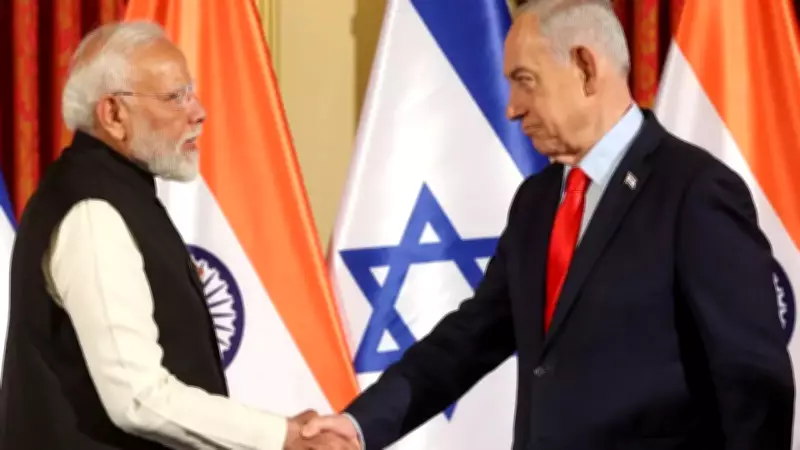
In a significant development, Prime Minister Modi utilized social media platform X to disclose details of his discussion with Israeli counterpart Benjamin Netanyahu. "Had a telephone call with PM Benjamin Netanyahu to discuss the current regional situation," Modi wrote in his official post. "Conveyed India's concerns over recent developments and emphasised the safety of civilians as a priority. India reiterates the need for an early cessation of hostilities."
This communication represents India's formal diplomatic response to the escalating violence that began with coordinated US-Israeli airstrikes targeting Tehran, which resulted in the death of Iran's Supreme Leader. The Prime Minister's emphasis on civilian protection and immediate cessation of hostilities underscores India's consistent position on conflict resolution and humanitarian considerations in international disputes.

Solidarity with United Arab Emirates
Prime Minister Modi extended India's support to the United Arab Emirates, which has faced multiple Iranian strikes over recent days. In his conversation with UAE President Sheikh Mohamed bin Zayed Al Nahyan, Modi expressed strong condemnation of the attacks while offering condolences for the tragic loss of life.
"Spoke with President of the UAE, my brother Sheikh Mohamed bin Zayed Al Nahyan," Modi stated. "Strongly condemned the attacks on the UAE and condoled the loss of lives in these attacks. India stands in solidarity with the UAE in these difficult times." The Prime Minister further acknowledged UAE's care for the substantial Indian community residing in the Gulf nation, adding: "Thanked him for taking care of the Indian community living in the UAE. We support de-escalation, regional peace, security and stability."
Humanitarian Impact and Regional Consequences
The Iranian strikes across the UAE have resulted in three confirmed fatalities and fifty-eight injuries, including one Indian national. The Indian Embassy has confirmed awareness of the injured citizen and maintains active communication with hospital authorities to ensure proper medical care and assistance.
According to official reports from the UAE's defense ministry, their air defense systems successfully intercepted an extensive barrage of projectiles, including 165 ballistic missiles with 152 destroyed and 13 falling into sea waters. Additionally, two cruise missiles and 541 drones were targeted, with most being neutralized before reaching their intended destinations.
Widening Conflict and Global Implications
The current crisis intensified dramatically following US and Israeli military operations against Iranian targets, including Revolutionary Guard facilities and missile launch sites. Tehran responded with retaliatory missile and drone attacks targeting both Israeli territory and US military installations throughout the Gulf region.
This violence has extended beyond the immediate conflict zone, raising substantial international concerns about potential disruptions to global oil supplies, critical shipping routes, and international air travel. The expanding geographical scope of hostilities presents significant challenges for regional stability and has prompted diplomatic interventions from multiple nations seeking to prevent further escalation.
Prime Minister Modi's proactive diplomatic engagement reflects India's growing role as a responsible global stakeholder committed to peaceful resolution of international conflicts. His simultaneous communication with both Israeli and UAE leadership demonstrates India's balanced approach to complex regional dynamics while prioritizing the safety and welfare of Indian citizens abroad.