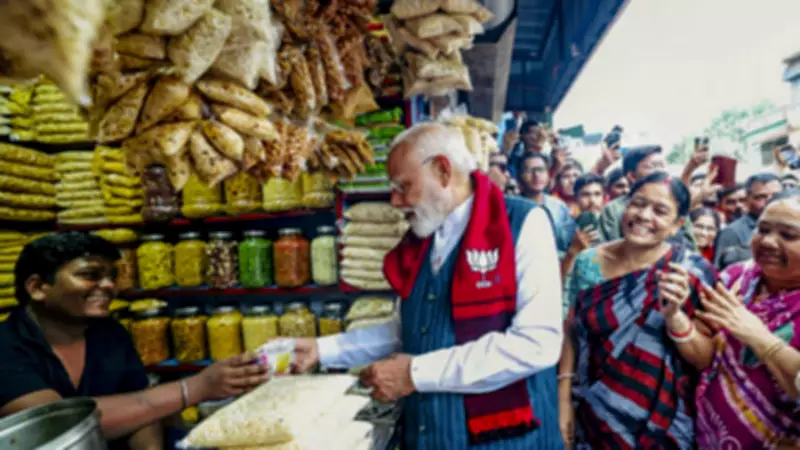
The BJP’s sweeping victory in West Bengal has redrawn one of India’s most important political maps. After 15 years of Mamata Banerjee’s dominance, the result marks not just a change of government, but a decisive rupture in a state where the Trinamool Congress had long appeared electorally resilient.
Key Factors Behind the Downfall
Political analysts point to multiple reasons for the TMC's defeat. 'Cut money, tolabaji and para dadas led to Mamata's downfall,' said a local observer, referring to corruption, extortion, and local strongmen that had become synonymous with the party's rule. The anti-incumbency sentiment, fueled by these issues, proved insurmountable for the TMC.
Consequences Beyond Bengal
This result carries significant national implications. It strengthens the BJP’s position in eastern India, weakens one of the most important regional pillars of the INDIA bloc, and raises difficult questions about whether the TMC can hold together after losing power. The verdict also underscores the BJP's ability to penetrate states where regional parties have traditionally dominated.

As West Bengal prepares for a new government, the political landscape of the region stands fundamentally altered. The TMC's long reign has ended, and the BJP now faces the challenge of governing a state known for its complex socio-political dynamics.