A Look Back at BJP's National Presidents Through the Years
The Bharatiya Janata Party has seen many leaders serve as its national president since its formation. Each president brought unique strengths and guided the party through different phases of Indian politics.
The Early Years and Foundation
Atal Bihari Vajpayee became the first president of the newly formed BJP in 1980. His leadership set the tone for the party's early development. Vajpayee focused on building a strong organizational structure across the country.
Lal Krishna Advani took over the presidency in 1986. He played a crucial role in expanding the party's reach during his tenure. Advani's leadership saw the BJP gain significant momentum in national politics.

Growth and Expansion Phases
Murli Manohar Joshi served as president from 1991 to 1993. His tenure coincided with important political developments in India. Joshi worked to strengthen the party's ideological foundation during this period.
Kushabhau Thakre led the party from 1998 to 2000. He oversaw organizational changes that helped the BJP prepare for future electoral challenges. Thakre's presidency came during a time of coalition politics in the country.
Bangaru Laxman briefly served as president in 2000-2001. His tenure, though short, occurred during a transitional phase for the party. Laxman focused on maintaining party unity during this period.
The Modern Era Leadership
Jana Krishnamurthi took over in 2001 and served until 2002. He managed the party through various political developments. Krishnamurthi emphasized grassroots organization during his presidency.
Venkaiah Naidu served as president from 2002 to 2004. His leadership saw the party contest important national elections. Naidu worked on expanding the BJP's presence in southern states.
Rajnath Singh held the presidency twice, first from 2005 to 2009 and again from 2013 to 2014. His tenures covered crucial periods in the party's history. Singh focused on organizational discipline and electoral strategy.
Nitin Gadkari served as president from 2009 to 2013. He introduced several organizational reforms during his tenure. Gadkari emphasized transparency and efficiency in party functioning.
Amit Shah led the party from 2014 to 2020. His presidency saw the BJP achieve remarkable electoral successes. Shah implemented extensive organizational changes across all levels.
Jagat Prakash Nadda took over in 2020 and served until 2024. He continued the party's expansion efforts during his tenure. Nadda focused on strengthening the BJP's presence in new regions.
The Current Leadership
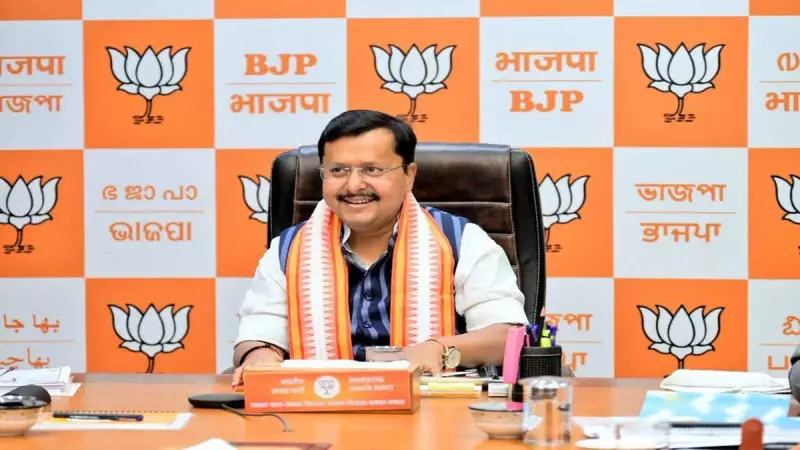
Nitin Nabin assumed the presidency in 2024 and continues to lead the party today. His tenure represents the latest chapter in the BJP's ongoing story. Nabin brings his own approach to guiding the party forward.
Each president contributed to shaping the BJP's identity and direction. Their combined efforts helped transform the party from its early days to its current position in Indian politics. The succession of leaders reflects the party's evolving strategies and responses to changing political landscapes.