

Bihar MP Pappu Yadav Arrested in 1995 Forgery Case After Late-Night Drama
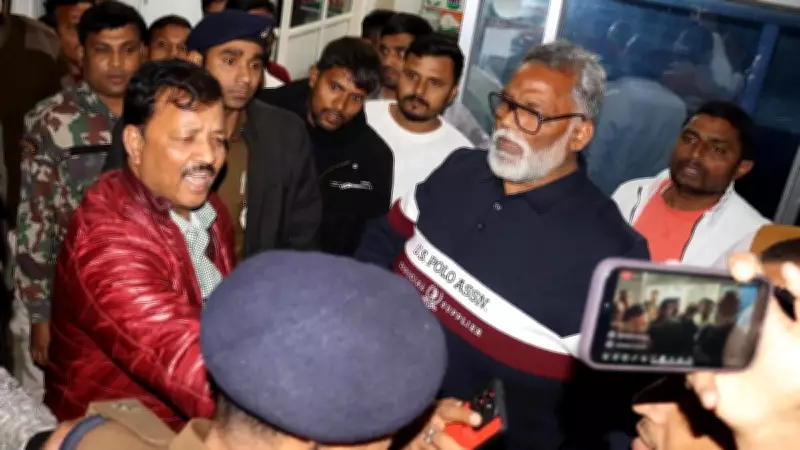
In a dramatic turn of events, Bihar Member of Parliament Pappu Yadav was arrested late on Thursday night in connection with a long-pending forgery case dating back to 1995. The arrest followed high-stakes police action at Yadav's residence in the Mandiri locality of Patna, creating a scene of intense political and legal significance.
Late-Night Police Operation at MP's Residence
A police team arrived at Pappu Yadav's house to execute a warrant issued by a special MP/MLA court. The warrant pertained to a case registered under Section 467 of the Indian Penal Code, which deals with the forgery of valuable security, will, or other documents. The operation unfolded amidst heightened tensions, with reports indicating that the police acted swiftly to carry out the court's orders, leading to Yadav's detention.
The case, which has been lingering for over three decades, involves allegations of document forgery. Sources suggest that the legal proceedings had been ongoing, and the recent warrant marked a significant escalation in the matter. The arrest has sent shockwaves through political circles in Bihar, given Yadav's prominent status as a sitting MP.

Background of the 1995 Forgery Case
The forgery case against Pappu Yadav was originally registered in 1995, making it a nearly 30-year-old legal battle. Under Section 467, the charges are serious, as they relate to forging documents that could have substantial financial or legal implications. The specific details of the alleged forgery have not been fully disclosed, but the case has been a point of contention in Yadav's political career.
Over the years, the case has seen multiple hearings and delays, typical of many high-profile legal matters in India. The issuance of the arrest warrant by the MP/MLA court indicates that the judicial process has reached a critical juncture, necessitating immediate action by law enforcement authorities.
Political Repercussions and Public Reaction
Pappu Yadav's arrest is expected to have significant political ramifications in Bihar, a state known for its volatile political landscape. As an MP, Yadav holds considerable influence, and this development could impact upcoming electoral dynamics and party strategies. Political analysts are closely watching the situation, speculating on how it might alter alliances and public perception.
The public reaction has been mixed, with supporters expressing outrage over the timing and manner of the arrest, while critics argue that it underscores the importance of accountability for public figures. The incident has also sparked debates on the efficiency of India's legal system in handling cases involving politicians, especially those that span decades.
Legal Proceedings and Next Steps
Following the arrest, Pappu Yadav is likely to be presented before the MP/MLA court for further legal proceedings. The court will determine the next steps, which could include bail hearings or remand. Legal experts note that cases under Section 467 are non-bailable in many instances, potentially complicating Yadav's immediate release.
The police have emphasized that the operation was conducted strictly in accordance with the law, based on the court's warrant. They have assured that due process will be followed, and Yadav's rights will be respected throughout the judicial process. As the case unfolds, more details are expected to emerge regarding the evidence and charges involved.
This arrest highlights the ongoing challenges in India's political and legal systems, where long-pending cases can suddenly resurface with dramatic consequences. It serves as a reminder of the intricate interplay between law, politics, and public life in the country.






