Rare Political Unity Emerges in West Bengal Over Election Phases
In a surprising development ahead of the crucial West Bengal Assembly elections, leaders from multiple political parties have found common ground on a key electoral issue. Representatives from the Trinamool Congress (TMC), Bharatiya Janata Party (BJP), Congress, and Left parties convened with the Election Commission's full bench in Kolkata to discuss poll preparedness and logistics.
Unprecedented Consensus on Election Phasing
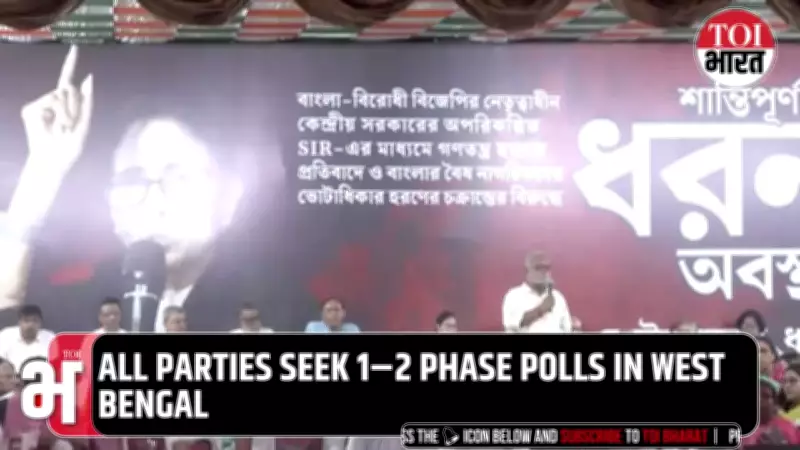
During the high-stakes meeting, most political parties presented a unified front, urging the Election Commission to conduct the upcoming assembly elections in either one or a maximum of two phases. This rare point of agreement marks a significant departure from the usual political divisions that characterize West Bengal's electoral landscape.
The parties emphasized the importance of minimizing the election duration to ensure smoother administration and reduce logistical complications. Additionally, they collectively stressed the necessity for robust security arrangements, specifically requesting strong deployment of Central Armed Police Forces (CAPF) to maintain law and order throughout the electoral process.

Election Commission's Assurance and Security Concerns
The Election Commission responded positively to these concerns, assuring all political stakeholders that it would implement all necessary measures to conduct free, fair, and peaceful elections. Officials emphasized their commitment to creating an environment where voters can exercise their franchise without fear or intimidation.
The security aspect proved particularly crucial in the discussions, with parties across the political spectrum highlighting the need for adequate CAPF presence to prevent any untoward incidents and ensure transparent polling procedures. This shared concern reflects the heightened political atmosphere in the state as election preparations intensify.
Underlying Tensions Surface Despite Consensus
Despite the remarkable consensus on election phasing and security, underlying political tensions quickly resurfaced following the meeting. The Trinamool Congress raised serious allegations, claiming that their officials faced intimidation during the proceedings with the Election Commission.
Furthermore, Chief Election Commissioner Gyanesh Kumar encountered protests and was shown black flags during a subsequent temple visit in Kolkata. These incidents underscore the volatile political climate that persists even as parties find rare areas of agreement on electoral procedures.
Broader Political Context and Implications
The West Bengal Assembly elections represent one of India's most significant political battlegrounds, with multiple parties vying for dominance in the state. The rare consensus on election phasing demonstrates that despite deep political divisions, parties can unite on procedural matters that affect the fundamental democratic process.
This development occurs against a backdrop of intense political competition, with each party preparing extensive campaigns and strategies to secure voter support. The Election Commission now faces the challenging task of balancing these competing interests while ensuring the integrity of the electoral process.
As preparations continue, political observers will closely monitor whether this temporary unity on procedural matters translates into more civil campaigning or whether the underlying tensions will dominate the election narrative in the coming months.