Assam's Voter Roll Revision Descends into Political Controversy Ahead of Elections
As Assam prepares for the upcoming Assembly elections, a Special Revision (SR) exercise of voter rolls has transformed into a politically charged battleground, sparking widespread unease and confusion across the state. While the Election Commission initially emphasized that this process would not affect existing voters, the reality on the ground tells a different story.
The Special Revision Process and Its Implementation
Last November, election authorities announced that Assam would undergo a Special Revision process distinct from other states heading to polls in 2026. This decision stemmed from the incomplete National Register of Citizens (NRC) exercise, requiring a modified approach. Unlike standard procedures involving document verification, this SR was described as an enhanced version of annual electoral roll updates.
The initial phase between November 22 and December 20 proceeded smoothly, with Booth Level Officers visiting households to verify voter residency and identify new eligible voters. Voters breathed a sigh of relief when their names appeared in the draft rolls published on December 27. However, the subsequent claims and objections phase dramatically altered the situation.

Wave of Objections Creates Administrative Chaos
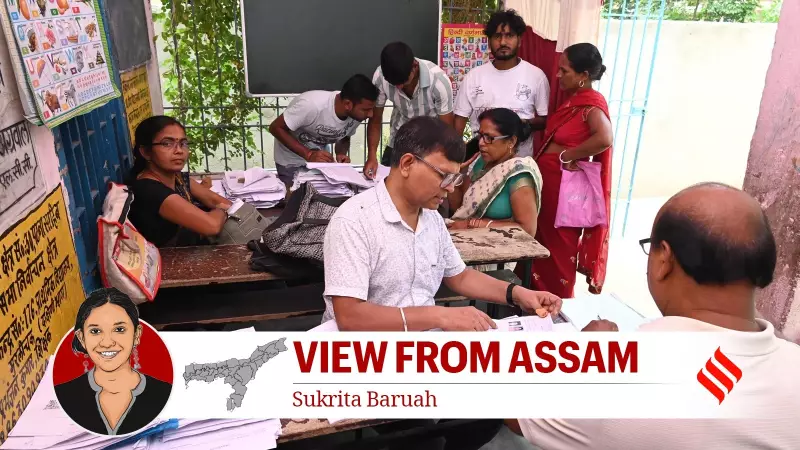
The tranquility of the first phase gave way to chaos as thousands of voters began receiving notices summoning them for hearings based on objections filed against their inclusion in electoral rolls. These objections typically cited reasons such as alleged death, absence from the constituency, or permanent relocation from polling booths.
In several alarming instances, individuals filed objections against dozens of existing voters, creating administrative bottlenecks. The situation became so severe in three Nagaon constituencies that hearings had to be temporarily suspended until district administrations could expand infrastructure at hearing centers to accommodate the overwhelming numbers.
District administrations across Nagaon, Lakhimpur, and Goalpara issued stern warnings against this practice of filing multiple objections against multiple voters, threatening action against those submitting false, misleading, or vexatious complaints.Statistical Evidence of Widespread Objections
While the Election Commission has yet to release comprehensive data on objections filed during the January 22 deadline, preliminary figures from key constituencies reveal the scale of the issue:
- In Nalbari district's Barkhetri constituency, 15,490 objections were filed against 2,26,424 voters in draft rolls, affecting 6.8% of electors
- Lakhimpur district's Ronganodi constituency saw 8,966 objections against 1,80,412 electors (4.97%)
- Nagaon district's Barhampur constituency recorded 12,830 objections against 2,30,551 electors (5.56%)
This wave of objections has created panic among voters, with many reporting that complainants failed to appear for mandatory hearings despite rules requiring both objector and objectee presence.
Political Reactions and Controversial Statements
Opposition parties have expressed grave concerns that legitimate voters might be excluded from final electoral rolls due to what they term "arbitrary and illegal action." They fear the objection process could disenfranchise valid electors ahead of crucial Assembly polls.
While state Chief Electoral Officer offices and district administrations attempted to reassure citizens that hearings and verification processes serve as safeguards against arbitrary deletions, Chief Minister Himanta Biswa Sarma injected further controversy into the situation.
The Chief Minister openly acknowledged BJP worker involvement in filing complaints, describing it as a strategy to keep Bengali-origin Muslims—often pejoratively called Miyas—"under pressure." Sarma stated, "We have to issue notices to Miyas living here. There is nothing to hide. We are troubling them... They have to understand that, at some level, the people of Assam are resisting them. Otherwise, they will get a walkover."

Looking Ahead to Final Rolls and Elections
With Assam scheduled to hold elections in March-April, the Special Revision process has become a focal point of political contention. The final voter lists, set for publication on February 10, will reveal the extent to which these objections have impacted electoral rolls.
This controversy unfolds against the backdrop of Assam's complex demographic politics and the unresolved NRC process, adding layers of tension to what should be a routine administrative exercise. As claims, allegations, and complaints continue to swirl, all political stakeholders await the final lists that will shape the electoral battlefield in this crucial northeastern state.