

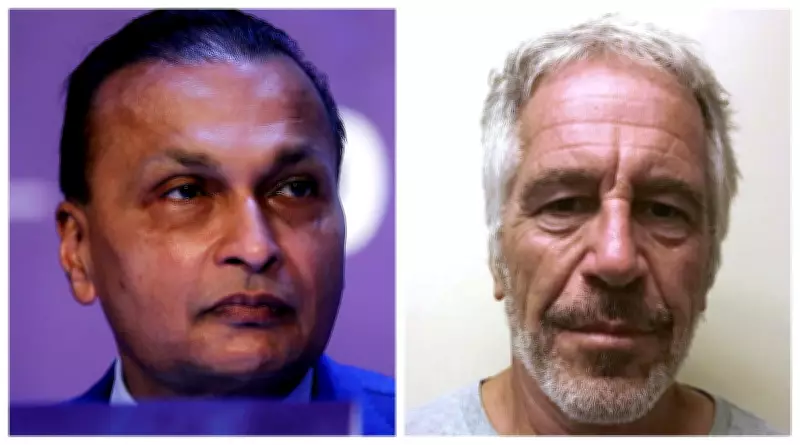
Epstein Files Reveal Anil Ambani's Attempt to Leverage Convicted Sex Offender for US Political Access
In a startling revelation from the recently unsealed Jeffrey Epstein documents, Indian business tycoon Anil Ambani, chairman of the Reliance Group, appears to have sought the assistance of the convicted sex offender to facilitate meetings with prominent American political figures. The documents, which have sparked global interest, detail how Ambani cited his connections with 'leadership' in Delhi as part of his outreach to Epstein.
Details of the Meeting and Subsequent Communications
According to the files, Anil Ambani met with Jeffrey Epstein on May 23, 2019. This encounter is documented in the records, highlighting the nature of their interaction. Following this meeting, Epstein reportedly messaged Steve Bannon, a former White House chief strategist, indicating that he had met with what he described as Prime Minister Narendra Modi’s 'guy'. This reference suggests Epstein believed Ambani had significant political ties in India, potentially leveraging them for mutual benefit.
The context of this meeting raises questions about the extent of Epstein's network and how individuals like Ambani might have used it to gain access to influential circles in the United States. Epstein, who was convicted for sex trafficking and died in jail in 2019, had a notorious reputation for associating with high-profile figures across various sectors, including politics, business, and entertainment.

Implications for Indian Business and Political Circles
This revelation could have broader implications for Indian business and political landscapes. Anil Ambani, a prominent figure in India's corporate world, has been involved in numerous high-stakes ventures and has often been seen in the company of political leaders. The mention of 'leadership' in Delhi in the Epstein files might refer to his perceived closeness with key figures in the Indian government, although no specific names are detailed in the documents.
Key aspects of this development include:
- The timing of the meeting in May 2019, shortly before Epstein's arrest and subsequent death.
- The potential use of Epstein's connections to bridge gaps between Indian and American political spheres.
- The ethical and legal questions surrounding associations with a convicted sex offender.
As these documents continue to be analyzed, they shed light on the opaque networks that sometimes operate at the intersection of global business and politics. For India, this serves as a reminder of the scrutiny that high-profile individuals face in international contexts, especially when linked to controversial figures like Epstein.
The ongoing release of Epstein-related materials is expected to uncover more such interactions, prompting discussions on accountability and transparency in elite circles worldwide.






